
Tap Water vs. Bottled Water: How Do They Compare?
Last updated: January 15, 2026 By
Dan DeBaun
By
Dan DeBaun
Table of Contents
- How Are Bottled and Tap Water Regulated?
- Which Is Safer to Drink: Bottled or Tap Water?
- What Common Contaminants Are Found in Tap Water?
- What Are the Dangers of Microplastics in Bottled Water?
- What Is the Environmental Impact of Bottled Water?
- How Does the Cost of Bottled Water Compare to Tap Water?
- Does Bottled Water Taste Better Than Tap Water?
- How Can You Check the Quality of Your Local Tap Water?
- What Is the Safest and Healthiest Option for Drinking Water?
- What Should You Look for in a Drinking Water Filter?
- Making the Smartest Choice for Your Health and Home
Tap water and bottled water are two of the most common sources of drinking water. Bottled water is often seen as a go-to alternative when the quality of tap water is questioned.
But which option is healthier? Can tap water be a substitute for bottled water, and vice versa? How can they be compared? Today, we’ll take a closer look at these questions and many more, so you can make an informed choice with confidence.
Marketing has played a big role in convincing consumers that bottled water is somehow “cleaner,” “purer,” or “safer” than tap water. But most people don’t realize that tap water must often comply with stricter safety standards than bottled water. And in many cases, bottled water introduces its own risks, including microplastics and chemical leaching, and has a significantly higher environmental impact.
Alright, now that we’ve cleared that up, let’s take a closer look at the topic step by step. Let’s start with how drinking water is regulated.
| Water Source Type | Regulatory Agency | Safety Standards & Testing Frequency | Public Disclosure Requirements | Common Contaminants & Risks | Cost Comparison | Environmental Impact |
|---|---|---|---|---|---|---|
| Tap Water | Environmental Protection Agency (EPA) | Regulated under Safe Drinking Water Act for 90+ contaminants. Utilities must conduct routine, frequent monitoring at source, treatment plant, and distribution points. | Mandatory annual Consumer Confidence Report (CCR) detailing contaminants and violations; same-day notification for certain violations. | Lead (aging pipes), PFAS, agricultural chemicals (Atrazine, Nitrates), industrial pollutants, microbial pathogens (Cryptosporidium, Giardia), and disinfectant by-products. | Extremely low cost; typically less than $0.01 per gallon. | Low impact; utilizes existing infrastructure; significantly lower greenhouse gas emissions and energy consumption than bottled alternatives. |
| Bottled Water | Food and Drug Administration (FDA) | Classified as a packaged food. Testing is conducted by manufacturers and is typically less frequent than municipal tap water schedules. | No requirement to disclose results to the public, report source, or provide utility-level violation notifications. | Microplastics (up to 240,000 particles/liter), nanoplastics, chemical leaching (Antimony, Phthalates, Bisphenols), and potential repackaged tap water contaminants. | High cost; up to 2,000 times more expensive than tap water; price per gallon can surpass gasoline. | High impact; resource-intensive production (petroleum, high heat), significant plastic waste, and high transportation emissions. |
How Are Bottled and Tap Water Regulated?
Most Americans assume bottled water must be safer because it comes in a sealed, branded bottle, and is marketed with images of pristine mountains and natural springs. But is this really the case?
It’s important to note that in the U.S., tap water and bottled water fall under two completely different federal agencies, and those agencies have different missions, quality standards, and regulatory frameworks.
In the U.S., tap water is regulated by the U.S. Environmental Protection Agency (EPA). The EPA’s function is to protect environmental and public health — a mandate that includes strict water quality standards, routine monitoring, and mandatory reporting. Water utilities must test for a long list of contaminants and disclose results publicly every year. Violations can lead to heavy penalties.
Bottled water, on the other hand, is classified as a packaged food product and falls under the U.S. Food and Drug Administration (FDA). The FDA regulates labeling and production practices, but its standards for water quality are not as stringent as the EPA’s.
While consumers may assume bottled water is superior, the reality is that the federal government does not require bottled water to be safer than tap water — and in many cases, it's not. Many bottled water products are literally just tap water in a bottle, sometimes filtered, sometimes not.

Who Regulates Tap Water Quality in the U.S.?
Tap water is one of the most heavily regulated resources in the United States. It is regulated primarily by the U.S. Environmental Protection Agency (EPA) under the Safe Drinking Water Act (SDWA). Under the SDWA, the EPA establishes limits for more than 90 different contaminants, including:
- Heavy Metals: e.g., lead, copper, mercury
- Agricultural Chemicals: including toxic pesticides and herbicides
- Industrial Pollutants: e.g., PFAS, VOCs, benzene
- Microbial Pathogens: bacteria, viruses, and parasites
- Disinfectant By-products: chemical byproducts generated during treatment, including Trihalomethanes (TTHM) and Haloacetic acids (HAA5) that form as a byproduct during chlorination.
These standards apply to every public water system in the country. States must enforce EPA standards, and in some cases, may apply additional stricter local regulations. Public utilities must routinely test water at the source, treatment plant, and at various points along the distribution system to ensure contaminant levels are within the safety limits set by the EPA. Every year, water utilities must send out a Consumer Confidence Report (CCR) — a detailed summary of water quality, contaminant levels, and any violations.
Who Regulates Bottled Water Quality in the U.S.?
Bottled water in the United States falls under the oversight of the U.S. Food and Drug Administration (FDA), which regulates it as a packaged food product rather than a public utility.
Unlike tap water, which is closely monitored by the EPA, FDA rules for bottled water are often less stringent, leaving much of the responsibility for water quality in the hands of the manufacturers themselves.
Bottle producers must conduct their own testing, but these tests are typically less frequent than the rigorous schedules required for municipal tap water. Furthermore, the FDA does not require that these results be made public, nor does it require utility-level reporting or same-day notifications of violations, leaving consumers in the dark.
A common misconception is that bottled water is inherently cleaner or safer than tap water; this is not necessarily the case. The FDA does not require bottled water to exceed the safety standards set by the EPA for tap water, meaning that in many cases, tap water is just as safe—if not safer—than what comes out of a plastic bottle.
Transparency is another key difference. Unlike water utilities, which are required to conduct regular water quality testing and publicly report test results, bottled water companies are not required to disclose critical information such as the source of their water, the specific contaminants detected, or the detailed results of water tests. While some brands voluntarily share this information, it is not required by law.
So, while bottled water may seem like a safer option because it’s packaged neatly on a store shelf, its federal oversight is significantly weaker than that of tap water. Consumers are often prepared to pay a premium for the convenience and perceived purity of bottled water, but in reality, bottled water’s safety and transparency standards are less rigorous than those of the tap water many Americans have in their homes.
Which Is Safer to Drink: Bottled or Tap Water?
Despite a widespread belief that bottled water is inherently cleaner or safer, most U.S. tap water is actually the healthier and safer choice for everyday drinking since it is more strictly regulated. The EPA enforces stronger safety standards than the FDA does for bottled water, with consistent monitoring, mandatory reporting, and frequent inspections that ensure public water systems meet federally established safety thresholds.
Another factor is the growing concern about microplastics in bottled water encapsulated in plastic. Plastic bottles naturally shed tiny particles over time, meaning bottled water is significantly more likely than tap water to expose drinkers to microplastics and nanoplastics, which may carry chemical contaminants and pose potential health risks.
Contrary to popular perception, bottled water is not automatically purer than tap water. Many brands simply repackage municipal tap water, while others source from groundwater supplies that may not be as strictly protected as public water systems. Even when sourced from natural springs, these waters are not required to meet higher safety standards than municipal water.
While tap water is not flawless, and the quality can vary from region to region, it is tested far more frequently than bottled water, so you are more aware of what is in your water. Public water utilities conduct continuous monitoring and must report results to regulators and the public, ensuring consistent transparency.
In contrast, bottled water testing is generally sporadic, and results are not always publicly available. With stricter regulations, frequent testing, and a lower risk of microplastic exposure, tap water remains a healthier, more transparent, and cost-effective option.
What Common Contaminants Are Found in Tap Water?
While tap water in the U.S. is generally safe to drink, it can contain a variety of contaminants. Federal and state regulations require public water systems to regularly monitor and treat water to minimize risks, but understanding what can appear in tap water and where it comes from is important for consumers.
Some of the most common contaminants include lead, which can leach from aging household plumbing and fixtures. PFAS, also known as “forever chemicals,” enter water supplies through industrial discharges and certain consumer products. Atrazine, a widely used agricultural herbicide, and nitrates, largely from fertilizer runoff, can make their way into surface or groundwater sources.
Tap water can also contain microbial pathogens such as Cryptosporidium and Giardia, which are naturally occurring in surface water, as well as coliform bacteria, which serve as indicators of possible contamination.
So how does bottled water compare in this context?
What Are the Dangers of Microplastics in Bottled Water?
One of the biggest concerns with bottled water is the widespread presence of microplastics and nanoplastics. Research shows that a single liter of bottled water can contain up to 240,000 tiny plastic particles, making bottled water a significant source of human exposure to plastic contamination.
These microscopic fragments come from the packaging itself — the bottle, the cap, and plastic seals. Because bottled water often sits in plastic containers for weeks or months during storage and transport, especially when exposed to heat, plastic particles naturally shed into the water over time.
Microplastics are not the only risk. Plastic bottles can also leach chemical substances into the water they contain. These include antimony, a toxic heavy metal used in PET bottle production, as well as endocrine-disrupting chemicals such as phthalates and bisphenol compounds that can interfere with the body’s hormone systems by mimicking estrogen or testosterone. Exposure to these substances has been linked to developmental, reproductive, and metabolic concerns.
Testing has shown that around 22% of bottled water brands contain chemical contaminants at levels above recommended health limits. Unlike tap water, bottled water is not required to meet stricter safety standards or publicly disclose detailed testing results, leaving consumers with limited insight into what they are actually drinking.
Because microplastics and the chemicals they carry do not readily break down, repeated exposure may allow them to accumulate in the body over time, raising concerns about long-term health effects. As a result, bottled water is increasingly recognized as a source of ongoing plastic and chemical exposure — a risk that does not exist with tap water delivered through non-plastic infrastructure.
How Do Microplastics Affect Your Health?
Scientists are still learning how microplastics interact with the human body, but early findings raise significant concerns. These particles can trigger inflammation and oxidative stress, which are linked to a wide range of chronic health conditions, including cancer, cardiovascular disease, and premature aging. Because microplastics are so small, some can pass through the digestive tract and potentially enter the bloodstream or tissues, where they may accumulate over time.
The digestive system is often the first to be affected, as microplastics may disrupt the gut lining and microbiome. There is also concern that these particles could impact the reproductive system, given their ability to transport endocrine-disrupting chemicals — the same hormone-mimicking substances that leach from plastic bottles.
Of course, health—while the most important factor in this discussion—is not the only one to consider. It’s time to take a closer look at the environmental impact of bottled water.
What Is the Environmental Impact of Bottled Water?
Besides the health concerns, bottled water comes with a significant environmental footprint that far exceeds that of tap water. Producing a single plastic bottle requires petroleum extraction, high-heat manufacturing, and long-distance transportation, all of which consume energy and generate emissions. Once the water is consumed, the plastic bottle invariably ends up in a landfill, waterway, or the ocean, contributing to the global plastic pollution crisis.
Drinking tap water in a reusable bottle or cup uses 85% less energy and 79% fewer greenhouse gas emissions than relying on single-use bottled water. When millions of bottles are consumed daily, those differences add up quickly, making bottled water one of the most resource-intensive ways to access a basic necessity such as drinking water.
Opting for tap water (regardless of whether it’s filtered or unfiltered) poured into a reusable bottle or cup is a significantly more sustainable option. It reduces plastic waste, cuts emissions, and minimizes the environmental strain caused by extracting, producing, and transporting bottled water. Ultimately, avoiding single-serve plastic bottles is one of the simplest and most effective ways individuals can lower their environmental impact.
How Does the Cost of Bottled Water Compare to Tap Water?
When it comes to cost, bottled water is significantly more expensive to purchase. The price difference between bottled water and tap water is so dramatic that it often surprises people.
Depending on the brand and packaging, bottled water can cost up to 2,000 times more than water that comes out of your tap. In some cases, the per-gallon price of bottled water even surpasses gasoline. By contrast, a gallon of tap water typically costs less than a penny, making it one of the cheapest items on your household utility bill.
This enormous price difference primarily comes down to the convenience and perceived purity of bottled water — perceptions driven by marketing rather than sound science. Consumers often pay a premium for branding, packaging, transportation, and retail markup rather than for superior quality water. For households that rely heavily on bottled water, the financial impact adds up quickly, turning a basic necessity into a recurring high-cost purchase that can make a big dent in the monthly budget.
Is the higher cost justified? For most people, the answer is no. With stronger regulation, better transparency, and affordable home filtration options, tap water almost always offers far better value, not only for your wallet but also for your long-term health and the environment.
But what about the highly personal factor of taste?
Does Bottled Water Taste Better Than Tap Water?
Many people reach for bottled water because they believe it tastes better, but taste is one of the most misleading factors in the bottled-versus-tap debate. In numerous blind taste tests, participants consistently fail to distinguish bottled water from tap water, especially if it is chlorine-free. This suggests that much of bottled water’s perceived superiority comes from slick marketing and assumptions rather than actual differences in flavor.
When tap water does have an unusual taste, the cause is usually something manageable, such as chlorine used for disinfection, higher mineral content, or issues related to older household plumbing. These are considered cosmetic rather than health issues, and can typically be easily resolved with a simple home filter. In many cases, a basic carbon filter is enough to remove bad tastes or odors to make tap water taste and smell as fresh as, or better than, its bottled counterparts.
And what if you don’t want to rely on subjective impressions? Let’s look at practical ways to check the quality of your tap water.
How Can You Check the Quality of Your Local Tap Water?
If you want to understand exactly what’s in your tap water, you have more tools at your disposal than most people realize.
The first, and most important, resource is your annual Consumer Confidence Report (CCR). Every public water utility in the U.S. is required by law to publish this report, which includes a water source disclosure outlining where your water comes from, what contaminants were tested for, and how the results compare to EPA safety standards.
These reports are usually posted on your utility’s website, mailed directly to households, or available through the EPA’s online CCR search tool. If you need more details, most utilities also offer supplemental testing data upon request.
For households with a private well, older plumbing, or specific health concerns, an independent home water test can offer additional peace of mind. At-home water testing kits and certified laboratory testing allow you to check for issues like lead, PFAS, or bacteria that may not be reflected in municipal reports. These water quality reports give consumers a clear and reliable picture of their water quality.
What Is the Safest and Healthiest Option for Drinking Water?
When you weigh up all the factors — safety, health considerations, cost, environmental impact — filtered tap water stands out as the smartest, safest, and healthiest option for most households. It takes already regulated municipal water and adds an extra layer of protection by removing contaminants that may slip through treatment plants or enter as the water passes through aging service lines.
A high-quality drinking water filter can capture a wide range of substances, from chlorine and sediment to PFAS and heavy metals, depending on the technology.
Compared with bottled water, filtered tap water is significantly cheaper, far better for the environment (especially when paired with reusable water bottles), and is less likely to contain microplastics. It also offers the reliability and transparency of a public system, something bottled water doesn’t provide.
For most people, filtered tap water strikes the ideal balance between safety, convenience, and sustainability. So, how do you choose a perfect filtration system for your needs?
What Should You Look for in a Drinking Water Filter?
Choosing a drinking water filter isn’t one-size-fits-all; the best filter for your needs depends on what’s in your water and what you want to remove.
Here are some things to consider when selecting a home water filtration system:
1. Water Quality Issues
The first thing you need to consider is what water contaminants you need to target to address your water quality issues. Use your CCR or test results to see what’s in your water, and choose a filtration system that aligns with your home’s specific water challenges based on your CCR or water test results.
2. Certification
Look for filters certified by independent organizations. Filters that meet NSF/ANSI standards have been tested to ensure they actually remove the contaminants they claim to.
- NSF/ANSI Standard 42: For taste, odor, and chlorine improvement.
- NSF/ANSI Standard 53: Addresses health-related contaminants such as lead.
- NSF/ANSI Standard 401: Targets emerging contaminants such as pharmaceuticals and PFAS.
3. Filter Type
The next thing to consider is the type of filter you need based on what contaminants you want to remove, as different filters target different contaminants:
- Activated Carbon: Activated carbon filters are effective for removing chlorine and other contaminants that make water taste or smell bad. They can significantly improve the overall taste and odor of your drinking water, making it more palatable and enjoyable to drink.
- Reverse Osmosis (RO): Reverse osmosis systems use membranes to separate contaminants from water molecules as water is forced through the membrane under pressure. RO membranes have tiny pores that allow the smaller water molecules to pass through while blocking contaminants. RO systems are better suited for removing a broad spectrum of contaminants, including heavy metals and “forever chemicals” such as PFAS. They also remove salts and minerals, including beneficial minerals that the body needs for good health.
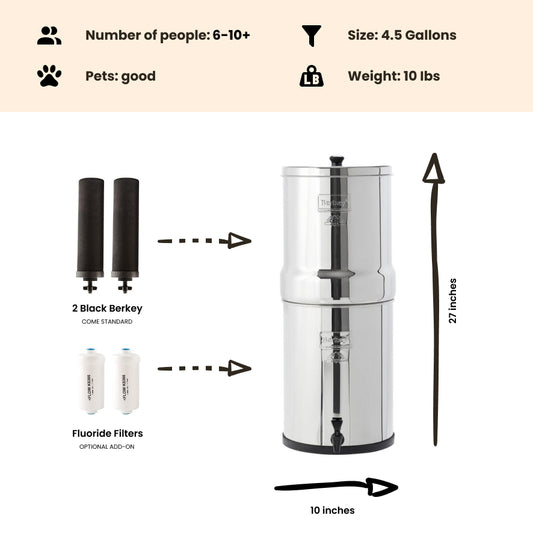
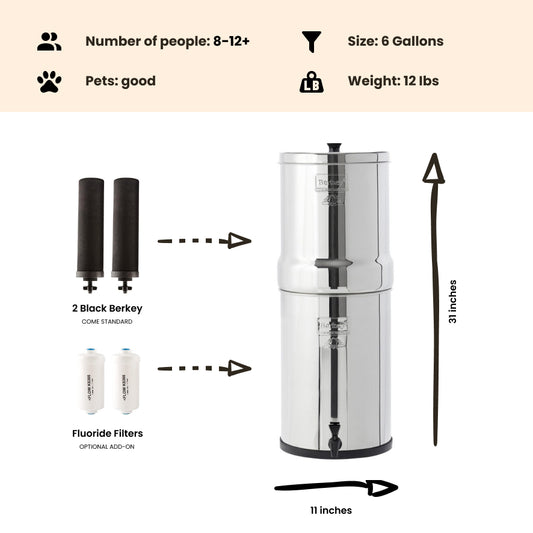
- Gravity Filter: Gravity filters typically utilize activated carbon in combination with other filter media technologies to remove a broad spectrum of drinking water contaminants. But as they vary widely in performance, it’s important to check certifications to confirm their capabilities. These systems are simple to install and operate, and don’t need to be plumbed in or connected to electricity. Simply fill up the upper chamber and let gravity do the work. This feature makes them fully portable and well-suited for off-grid and emergency applications.
- Pitcher Filter: Pitcher filters are typically inexpensive and convenient, and like gravity filters, often use activated carbon filters as the filter media. However, as they can vary widely in performance, it’s best to check their certification credentials.
4. Maintenance and Filter Lifespan
Finally, you need to consider maintenance requirements, practicality, and filter lifespan, including factors such as installation requirements, replacement schedules, and the cost of cartridges. This will also give you some indication of the water filter’s long-term running costs, so you can determine whether it aligns with your budget.
Making the Smartest Choice for Your Health and Home
Ultimately, the debate between bottled water, tap water, and filtered water comes down to control, confidence, and personal preference.
Bottled water may offer convenience, but it comes with a higher cost, weaker regulation and oversight, and significant environmental consequences.
Tap water, while generally safe and strictly regulated, can still contain contaminants from aging infrastructure or local pollution sources.
Filtered tap water delivers the best of both worlds: strong baseline regulation with the added protection of advanced purification.
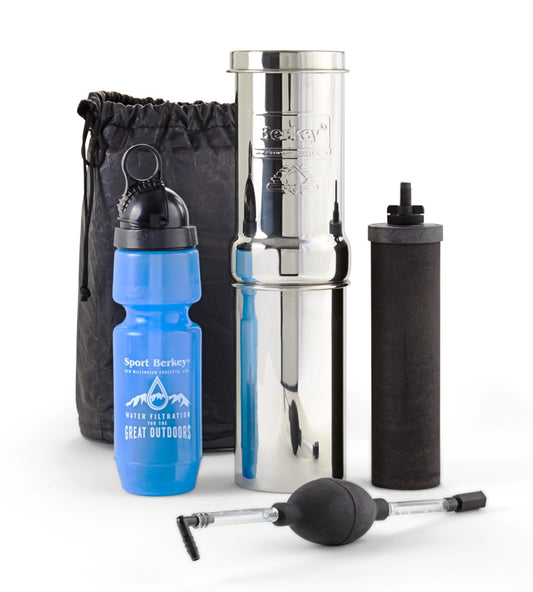
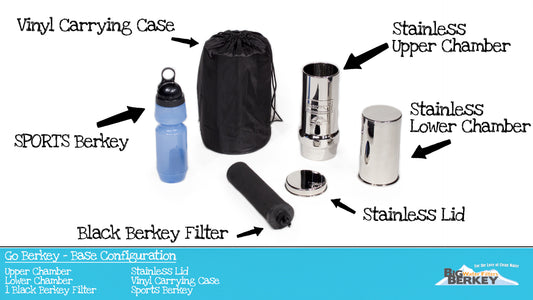
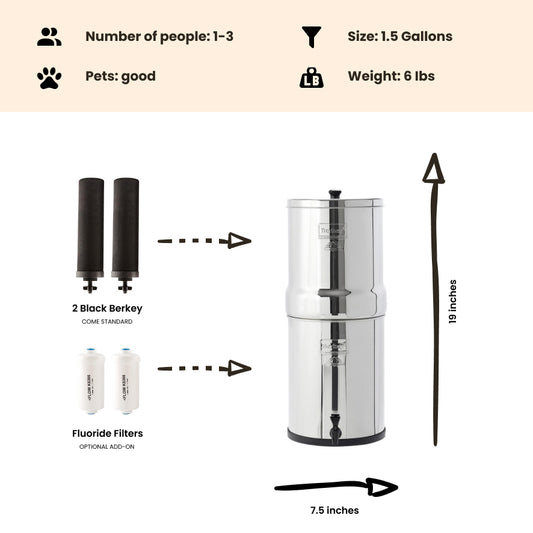
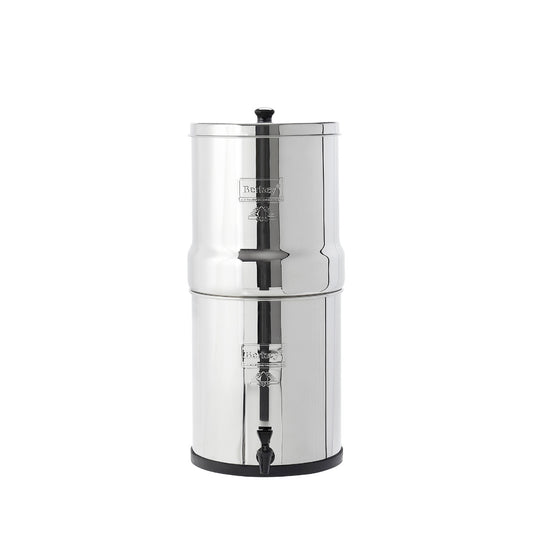
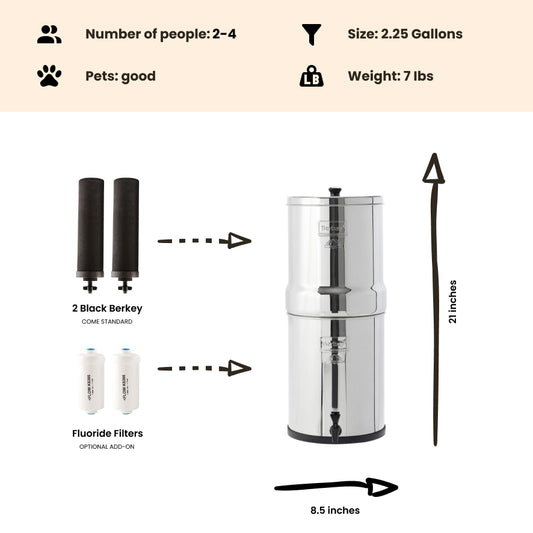
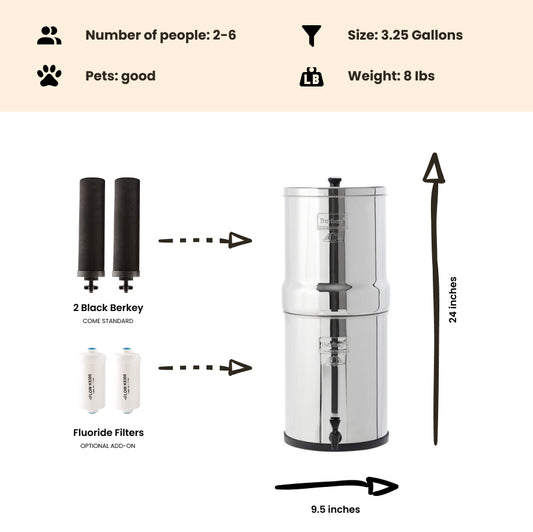
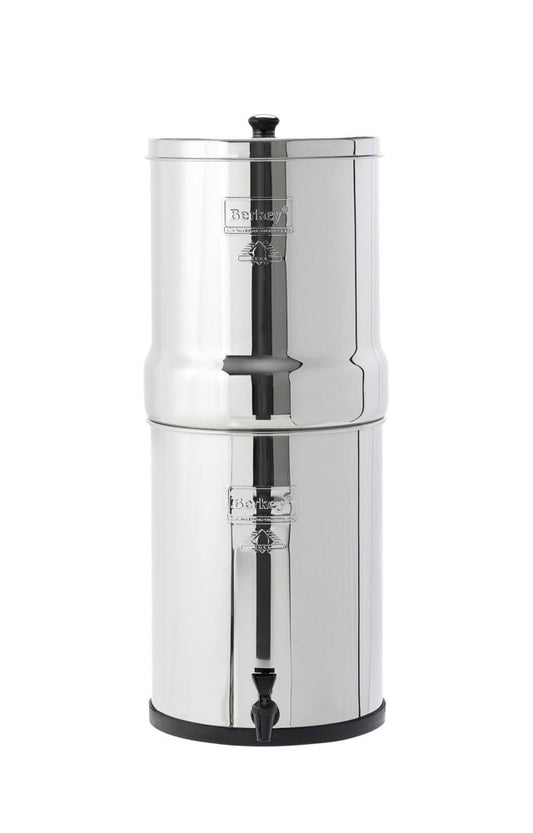
If you want a solution that elevates your tap water to the highest standard of purity, Berkey home water filtration systems fitted with Black Berkey filter elements or Berkey Phoenix filter elements are one of the best options available. Berkey’s gravity-fed technology removes over 200 common drinking contaminants, including PFAS, heavy metals, pesticides, and pharmaceutical residues, without the need for electricity, plumbing, or complicated installation. Berkey water filters provide water that’s cleaner, fresher, and safer, straight from the tap, at a fraction of the long-term cost of bottled water.
If you’re ready to take control of your family’s drinking water quality, cut your household costs, and reduce your environmental footprint, investing in a Berkey system is a practical and powerful step towards safe, affordable, and sustainable drinking water.

Dan DeBaun
-
Regular price $234.00 USDRegular priceUnit price per
-
Regular price $327.00 USDRegular priceUnit price per
-
Regular price From $367.00 USDRegular priceUnit price per
-
Regular price From $408.00 USDRegular priceUnit price per
-
Regular price From $451.00 USDRegular priceUnit price per
-
Regular price From $478.00 USDRegular priceUnit price per
-
Regular price $332.50 USDRegular priceUnit price per
$350.00 USDSale price $332.50 USDSale