In the U.S., tap water supplied by a utility has been treated to meet stringent safety standards and is presumably safe to drink. But is it?
While municipal systems follow strict safety standards, contaminants like lead, chlorine, PFAS, and microplastics can still make their way into household water. That’s why many families turn to filtered water for extra peace of mind. But is filtered water really a healthier choice, or is tap water good enough?
What Is the Difference Between Filtered Water and Tap Water?
While tap water and filtered water come from the same source, the difference is the level of purification they undergo before you drink them. Both filtered and tap water can be safe to drink, but they’re not always equal in quality. Differences in treatment processes, aging infrastructure, and household plumbing ultimately determine what ends up in your glass. Understanding those differences can help you make a more informed choice for your health and your family's health and well-being.
At the simplest level, tap water is water delivered directly from a municipal system or a private well, while filtered water is tap water that has undergone an additional purification step. That added step, whether it’s courtesy of a pitcher filter, carbon filter, an under-sink system, or a whole-home setup, is what removes unwanted impurities before the water is consumed.
While municipal systems must adhere to strict safety standards, contaminants like lead, chlorine, PFAS, and microplastics can still make their way into your household water. That’s why many families turn to filtered water for extra peace of mind. But is filtered water really a healthier choice, or is tap water safe enough?
What Is Tap Water and Is It Safe to Drink?
Tap water is typically supplied by municipal water systems and is treated at a water treatment plant to meet local, state, and federal safety standards. The treatment process usually involves multiple treatment steps, such as filtration, disinfection (for example, by adding chemical disinfectants such as chlorine or chloramine), and sometimes additional treatments such as fluoridation. Utilities must meet legal limits for hundreds of contaminants and publish annual Consumer Confidence Reports so residents can see what’s in their water.
While treated tap water is considered safe to drink according to government standards, tap water safety varies widely. Tap water can still contain trace amounts of chemicals, such as chlorine, lead (if pipes are corroded), or micro-contaminants that can affect taste, odor, and safety. Aging infrastructure can result in an increased likelihood of pipe breaks that can reduce water pressure in the pipes, allowing contaminants in the surrounding environment to get into the water.
A city with modern infrastructure may deliver excellent-quality water, while a community with aging pipes can face issues like lead leaching or sediment buildup. Rural areas relying on wells can struggle with nitrates, agricultural runoff, or naturally occurring minerals like arsenic. Even when tap water is legally “safe,” it can still have a noticeable chlorine smell, a cloudy appearance after pipe repairs, or traces of substances that are regulated but not fully eliminated.
So, is tap water safe to drink? Generally speaking, yes, tap water is safe most of the time, but not always. It largely depends on where you live, the age and condition of your local water infrastructure, and what comes through your household plumbing. Because water must travel a long way between the treatment facility and the taps in your home, there are potential risks.
What Common Contaminants Are Found in Tap Water?
Even after treatment, tap water can carry a cocktail of chemicals, heavy metals, and emerging pollutants, which can pose a health risk or impact the aesthetic quality of water by making it look, smell, or taste unappealing.
Some of the most frequently detected contaminants include:
-
Chlorine and Chloramine — Used as disinfectants to treat water, but they can give water a pool-like taste and react with organic material to form byproducts such as trihalomethanes, which are potentially carcinogenic.
-
Lead — This toxic heavy metal can leach into water as it passes through lead pipes, typically used in old service lines or household plumbing.
-
Microplastics — Due to the widespread use of plastics across the world, plastic microbeads are increasingly found in water systems worldwide.
-
PFAS — These industrial chemicals, known as ‘forever chemicals’ due to their resistance to breakdown and persistence in the environment, are linked to a range of adverse health effects, including cancer.
-
Nitrates and Pesticides — These toxic contaminants are often associated with agricultural runoff, and are common in rural areas.
-
Arsenic — This naturally occurring heavy metal can leach from rocks and soils and get into groundwater in some regions.
-
Sediment and Rust — Particles from corroded metal pipes can appear in water that flows from taps, affecting the appearance and/or taste of water.
These contaminants can not only affect the taste and odor of water, but some also carry health risks with long-term exposure.
What Is Filtered Water?
Filtered water is simply tap water that has been run through a filtration system designed to remove impurities. Depending on the filter, this might include chlorine, lead, PFAS, sediment, bacteria, and other contaminants. Filtration doesn’t just make water safer to drink; it often improves taste and smell as well, making the water more palatable and enjoyable.
Filters range from simple carbon-based pitchers and counter-top systems to more advanced multi-stage systems that incorporate membranes and carbon media.
Some filters target basic aesthetic issues, while others remove a broad spectrum of contaminants that municipal systems struggle to remove completely. Depending on the type and quality of the filter used, filtering water typically removes pathogenic bacteria, chlorine, and taste and odor contaminants as a minimum.
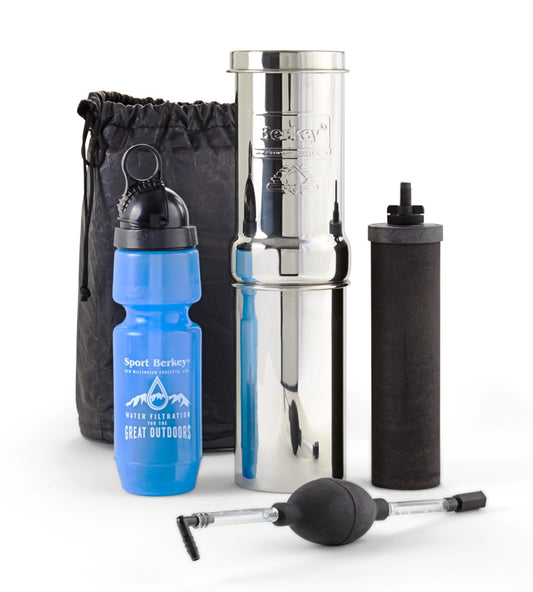
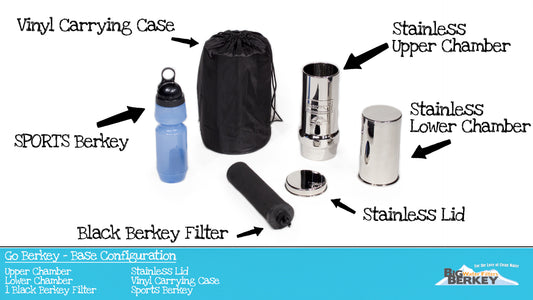
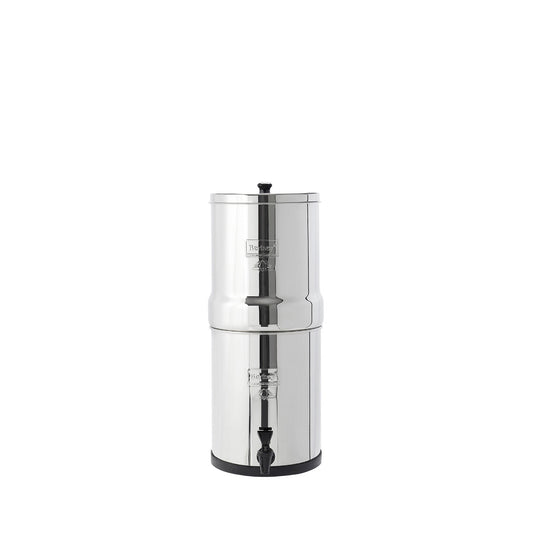
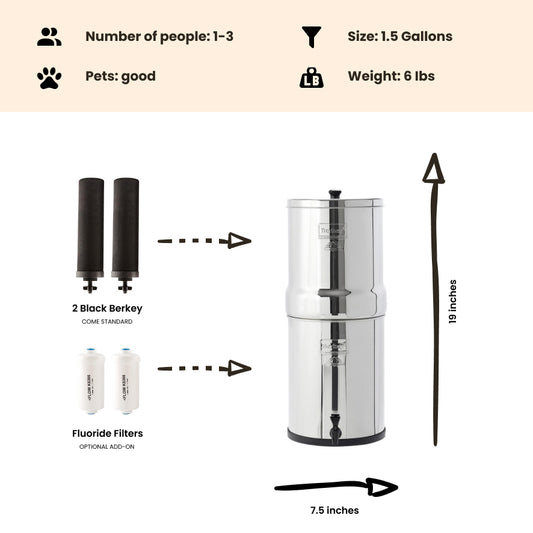
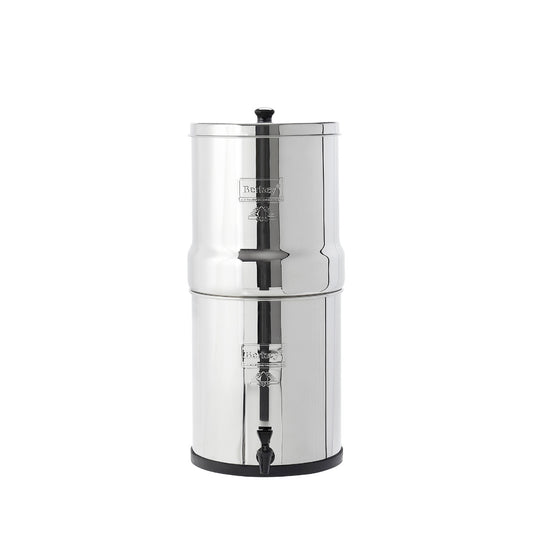
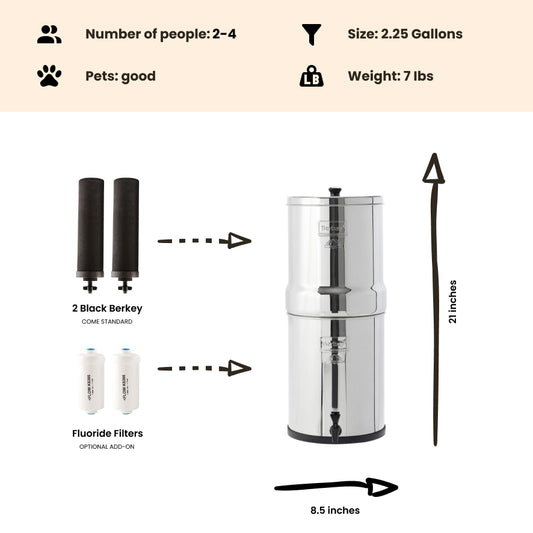
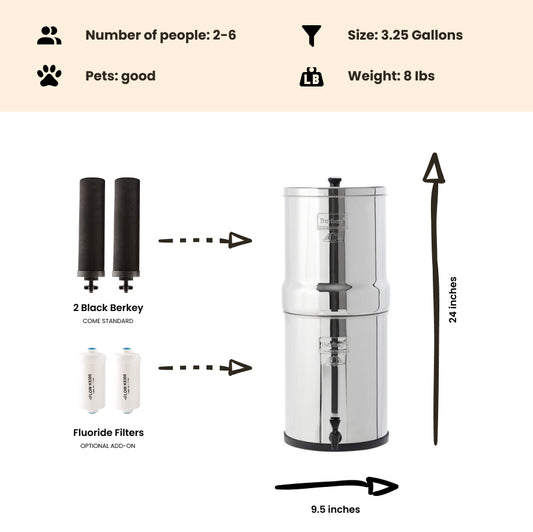
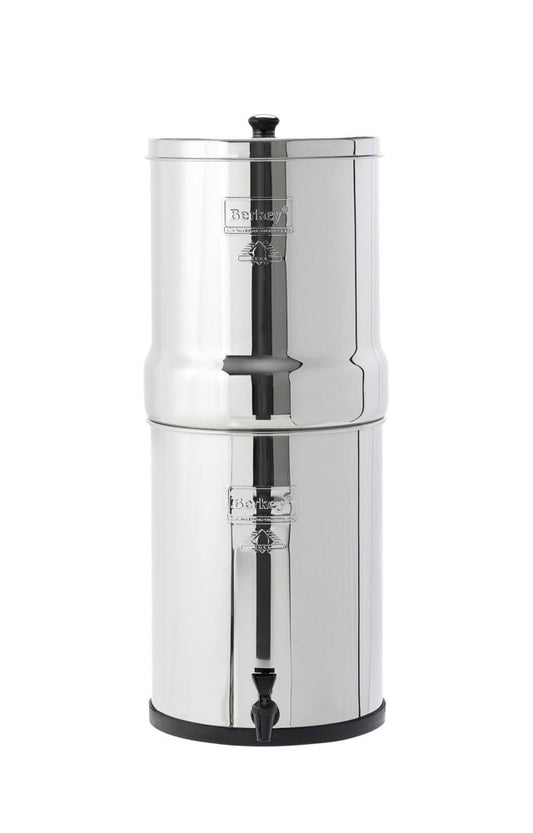
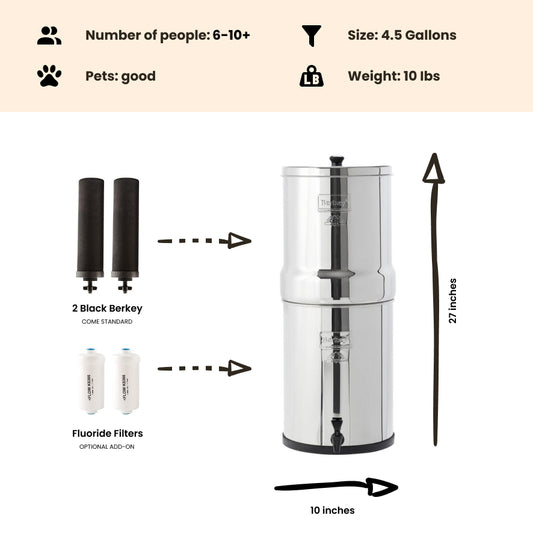
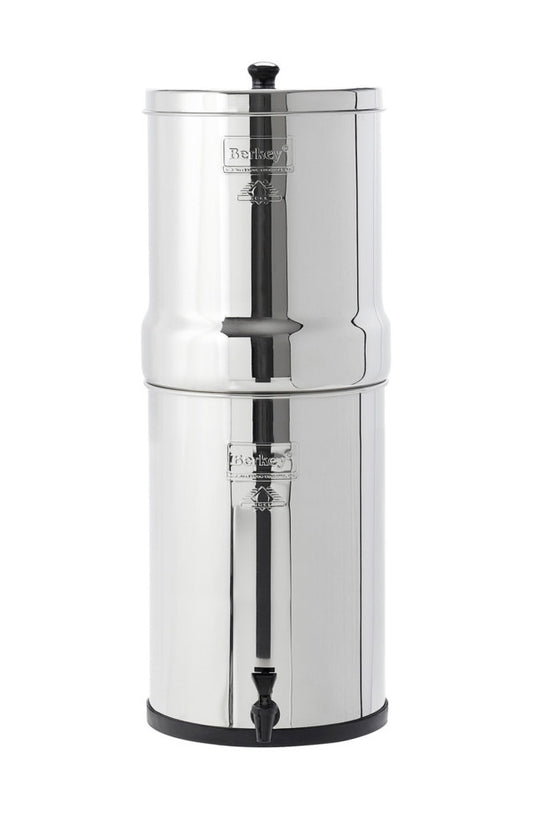
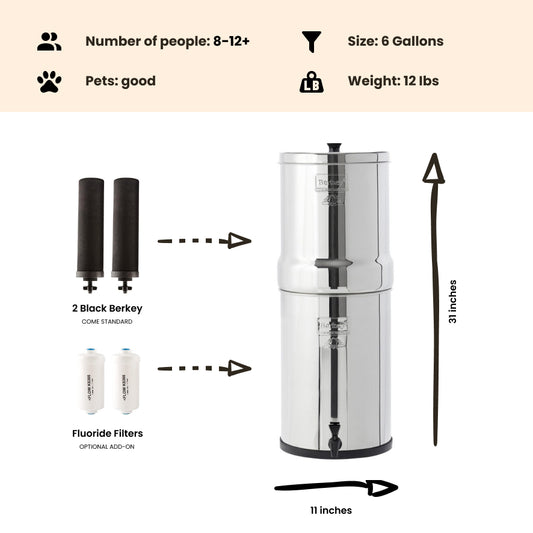
High-performance filtration systems (including examples such as Berkey systems) are designed to address a wide spectrum of contaminants, including selected heavy metals, VOCs and various chemical residues. Their effectiveness depends on the specific filter technology used, with some models capable of significantly improving both the safety and sensory quality of drinking water.
Filtering can remove specific contaminants that municipal systems may not fully eliminate, or chemicals such as chlorine or fluoride that they may deliberately put into the water. It can also remove lead and bacteria that may get into the water system as water flows through pipes. For many households, filtering drinking water offers an added layer of protection and a level of consistency that tap water alone can’t always provide.
How Do Different Water Filtration Systems Work?
While water filters are all designed to remove contaminants from water, they do not all work the same way. They incorporate different technologies, which target different types of contaminants, allowing the consumer to tailor their filtration system to target the specific contaminants or water quality issues they face in their drinking water.
At the most basic level, water filtration relies on three core mechanisms: physical barriers, chemical adsorption, and membrane-based separation.
Physical filtration is the simplest form. Sediment filters, for example, strain out larger particles like sand, rust, and dirt as water passes through a porous material. These are common in whole-house systems, where protecting household plumbing and appliances from grit is just as important as improving water taste.
Chemical adsorption, most commonly achieved through activated carbon, is what you’ll find in many everyday products like faucet filters or water filter pitchers. Activated carbon works like a sponge with millions of microscopic pores that trap contaminants while allowing water molecules to flow through. It is especially effective at removing chlorine—which is why water often tastes and smells better after passing through a carbon filter—and can also reduce volatile organic compounds (VOCs) and some pesticides. However, carbon isn’t designed to remove dissolved minerals or salts.
For a more thorough clean, membrane-based systems fill the gap. These technologies rely on semi-permeable membranes with varying pore sizes to block increasingly smaller contaminants:
-
Microfiltration (MF) membranes have the largest pore size, ranging from 0.1 to 10 microns, and are capable of removing larger germs such as protozoa and some bacteria.
-
Ultrafiltration (UF) membranes have medium-sized pores ranging from 0.01 to 0.1 microns, and are effective at capturing most bacteria and some viruses.
-
Nanofiltration (NF) membranes have small pores ranging from 0.035 to 0.01, and target small organic molecules and certain minerals.
-
Reverse osmosis (RO) membranes have the smallest pores of all and are essentially nonporous. Water is forced through the membranes under pressure, removing a broad spectrum of impurities, including heavy metals, PFAS, nitrates, fluoride, and even some pharmaceuticals, as the water passes through. Because RO systems reduce total dissolved solids (TDS), they’re often used when households want a noticeably cleaner, more purified taste. However, it’s important to note that unlike carbon filters, they also remove beneficial minerals from the water.
Some systems combine these technologies with UV disinfection, which uses ultraviolet light to inactivate bacteria and viruses without adding chemicals. UV is often paired with carbon or sediment filters because it disinfects but doesn’t remove particles or improve taste on its own.
Point-of-Use vs. Whole-House Filtration: Choosing the Right Fit
Water filtration systems also differ in where and how they’re installed.
Point-of-use systems, like under-sink filters, countertop units, faucet-mounted filters, and water filter pitchers, treat water right where you drink or cook with it. These systems are ideal when your main concern is water quality at the tap, and they allow you to choose specialized technologies like RO or carbon without treating your entire home’s water supply.
Whole-house (or point-of-entry) systems, on the other hand, filter all the water as it enters your home. These are typically used to tackle issues that affect plumbing, appliances, or general household water use, such as sediment, chlorine, or hardness. While whole-house filters improve overall water quality for bathing, cleaning, and laundry, they usually don’t offer the high-level contaminant removal that point-of-use RO systems provide for drinking water.
In summary: Point-of-use filters (pitchers, faucet attachments, under-sink units) treat water at a single location. Whole-house systems focus on broad household needs. The right choice depends on the contaminants you’re targeting and the level of convenience you want.
Which Water Is Better for Your Health?
While regulated tap water is generally safe, filtered water offers added health benefits by reducing exposure to contaminants that may remain after municipal treatment or enter the water on the way to your home.
Depending on the type and quality of the filter, they can be effective at removing a wide range of harmful contaminants, including:
-
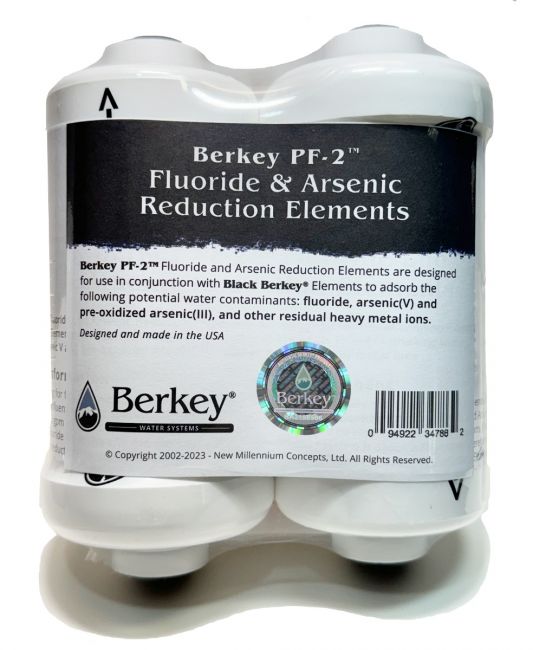
Heavy Metals: Filters, especially activated carbon and reverse osmosis systems, are effective at removing harmful substances like lead, mercury, and other heavy metals that might be present in tap water due to aging pipes or environmental contamination. Berkey water filters fitted with a set of optional PF-2 fluoride and arsenic filters can also remove arsenic from water.
-
PFAS: Filtering water can remove persistent chemicals such as per- and poly-fluoroalkyl substances (PFAS), which can bioaccumulate in the body, leading to various health risks, including liver damage, disruption to the immune system, and kidney and testicular cancer.
-
Microorganisms: Advanced filtration systems, such as the Berkey range of filters, can eliminate or reduce pathogenic bacteria, viruses, and protozoa that may slip through the municipal treatment process, adding an extra layer of safety.
-
Pesticides and Pharmaceuticals: Filters can also remove traces of pesticides, herbicides, and pharmaceutical residues that sometimes make their way into the water supply.
-
Chlorine and Chloramine: Municipal tap water is treated with disinfectants like chlorine or chloramine to kill bacteria. While this makes tap water safe, it can leave an unpleasant taste or odor, and can react with organic matter present in water to form harmful byproducts. Filters can remove or reduce these chemicals, improving both the safety and flavor of the water.
-
Fluoride: Some people prefer filtered water because it can reduce or eliminate fluoride, which is commonly added to tap water to promote dental health. Although fluoride is generally considered safe at regulated levels, some individuals may choose to limit their intake due to health concerns or personal preferences. Berkey water filters can be fitted with an optional fluoride and arsenic filter to remove these contaminants if they pose a risk to your drinking water.
Filtering water results in cleaner water, reducing our exposure to harmful chemicals, toxins, and pathogens that can pose a health risk. This is particularly beneficial to people with under-developed or compromised immune systems, such as young children, the sick, and the elderly, or anyone trying to minimize their exposure to environmental toxins.
Some filters, like the Black Berkey and its innovative alternative, Berkey Phoenix Filter, retain essential minerals such as calcium and magnesium, which support overall health.
On top of all this, there’s the matter of taste and smell, which affects daily water intake and, in turn, impacts overall health and well-being. Let’s now take a closer look at this aspect.
Which Water Tastes and Smells Better?
Taste is one of the most noticeable differences between tap and filtered water. It can even affect the palatability of tea and coffee. Filtered water typically tastes cleaner and is more refreshing because filters, especially activated carbon, remove the substances responsible for imparting unpleasant flavors.
Tap water also often has a strong chlorine, metallic, or earthy odor, depending on the source and local pipes. Many people pick up on these smells instantly. As we are more inclined to drink water that tastes great, improving the taste and smell of water alone often leads people to drink more water, resulting in better hydration and improved overall health.
Which Is More Cost-Effective: Filtered Water or Tap Water?
When comparing the affordability of tap water vs. filtered water vs. bottled water, tap water is the cheapest option, often costing less than a fraction of a penny per gallon.
While filtered water costs slightly more, it’s still far less than purchasing bottled water. With a cost-efficient filtration system like the Berkey, which uses re-cleanable and reusable filter elements rather than disposable filters, filtered water costs just a couple of pennies per gallon.
When compared to bottled water—which often costs more than $1 per gallon—the savings and long-term benefits are substantial. Most families recoup the cost of a filtration system quickly simply by eliminating the need to purchase bottled water.
How Does Bottled Water Compare on Cost and Environmental Impact?
While bottled water is convenient, it’s also the most expensive option with the biggest environmental impact. It requires large amounts of energy to produce, package, ship, and refrigerate.
In fact, producing bottled water requires up to 2,000 times more energy than delivering tap water. Plastic bottles can take hundreds of years to break down, and many end up as waste after a single use. As they slowly break down in a landfill, they contribute to the scourge of microplastics in the environment and the water supply.
Using filtered water at home helps reduce the consumption of bottled water, which in turn drastically reduces the need for plastic, slashing both household spending and carbon footprint. For many households, switching to filtered tap water can prevent the creation of thousands of single-use plastic bottles each year, further amplifying its environmental benefits. It's a more eco-friendly choice compared to buying bottled water for perceived better quality. For most people, it offers the best balance of convenience, sustainability, and cost.
If you're also weighing tap water against bottled water, our detailed comparison breaks down the key differences in cost, safety, and sustainability: Tap Water vs. Bottled Water: How Do They Compare?
What Are the Long-Term Benefits of a Water Filtration System?
Investing in a water filtration system won’t just provide you and your family with great-tasting drinking water; it also provides significant long-term health, cost, and environmental and sustainability benefits
An investment in a home filtration system pays off in several ways over the long term:
-
Health: Lower exposure to harmful contaminants such as lead, PFAS, chlorine, and disinfection byproducts.
-
Hydration: Better taste encourages daily water intake, promoting consistent hydration and better health.
-
Home Protection: Filtration reduces sediment and scale buildup, extending the life of plumbing, water heaters, and appliances such as coffee makers from corrosion and damage.
-
Environmental Impact: Filtering water reduces plastic waste and microplastic pollution and lowers the carbon footprint associated with plastic use, contributing to a healthier planet.
Over the long term, reducing daily exposure to harmful contaminants can also lower the risk of certain chronic diseases, supporting overall wellness as part of a healthier lifestyle.
Why Choose a Berkey Water Filter for Your Home?
If you’re looking for a way to improve the quality of your household drinking water, a Berkey water filter is one of the most dependable choices you can make. While municipal treatment plants do a good job removing the most harmful contaminants, they can’t catch everything—and additional pollutants can enter your water between the plant and your tap. A home filtration system acts as a final line of defense, giving you cleaner, healthier, better-tasting water.
One of the biggest advantages of using a Berkey system is its ability to remove a wide range of contaminants that affect both safety and taste. Its powerful purification elements target chlorine, heavy metals like lead, microplastics, PFAS, sediment, and volatile organic compounds. Many of these are either not fully removed by city treatment processes or can leach into water through aging infrastructure, especially in older neighborhoods. With a Berkey filter on your countertop, you can have peace of mind that your drinking water is significantly cleaner than when it originally came out of the tap.
Water filtered by a Berkey is not only healthier; it also tastes and smells far better than chlorinated tap water. Berkey’s filtration system dramatically improves the flavor and odor of tap water by reducing chlorine and other compounds that influence smell and taste. When your water tastes fresh and clean, your entire family is more likely to drink it—and that often leads to healthier hydration habits and fewer sugary drinks.
Having a reliable home water filtration system means you’re no longer guessing what’s in your tap water or relying solely on periodic municipal reports. Instead, you have the peace of mind that you’re providing your family with clean, purified water for drinking, cooking, and, if you so choose, even for your pets and plants, rather than exposing them to potentially harmful contaminants.
Ultimately, choosing a Berkey water filter is about taking control of your home’s water quality. It’s a simple step that enhances safety, boosts taste, and supports healthier living.
What Should You Consider When Choosing a Water Filter?
Before rushing out to purchase a water filter, there are several things you need to consider to ensure you choose the most efficient and cost-effective option that meets your needs. Here are some important points to consider:
1. Start With a Clear Picture of Your Water Quality
Choosing the right filter starts with understanding what’s in your water. You can check your municipality’s annual Consumer Confidence Report or run a home water test to identify issues like chlorine, sediment, lead, PFAS, nitrates, or microbial contaminants so you have a better idea of which contaminants you need to address.
2. Match the Filter to the Contaminants
Once you know what you’re dealing with and at what levels, you can start narrowing down your options. As different filtration technologies target different problems, you are now in a position to match the right filtration technology to your concerns.
For example, activated carbon filters are great for removing chlorine and improving taste and odors, while more advanced systems like the Berkey can remove a much wider range of contaminants, including pathogenic microorganisms, heavy metals, pesticides, industrial chemicals, and PFAS. If you want to remove dissolved salts, then reverse osmosis systems may be a better bet. The goal is to choose a system that directly addresses the contaminants most relevant to your home.
3. Don’t Overlook Certifications
A filter might claim to remove certain contaminants, but certification proves it. Independent, reputable standards—especially NSF/ANSI certifications—verify that the system has been tested and approved for the reductions it advertises.
Look for labels like NSF 42 (aesthetic improvements), NSF 53 (health-related contaminants like lead), or NSF 58 (reverse osmosis systems). This ensures you’re investing in a system that actually does what it promises to do.
4. Consider Installation, Maintenance, and Long-Term Costs
Even the best filter won’t perform well if it’s not properly maintained. Before committing to a filter, take a close look at how the system is installed or put together, how much space it takes, how often the filters need to be replaced, and what those ongoing costs look like over time. Under-sink and whole-house systems may require more effort up front but can offer broader protection, while pitchers and faucet filters are easier to install but require more frequent replacements.
Choosing a system, like the Berkey, that has recleanable and reusable filters with a long lifespan can be extremely cost-efficient over the long term.
Ultimately, to get the most out of your water filtration system, you need to choose a system that is tailored to your water quality, meets your household needs, and fits within your budget.
So, Which Water Should You Choose?
Tap water is widely available and treated to meet safety standards, while filtered water undergoes an additional layer of purification that can improve taste and remove more impurities. The decision between the two often comes down to personal preferences regarding taste, health concerns, and local water quality.
Both tap water and filtered water can be part of a healthy lifestyle, but filtered water offers a clearer advantage in purity, taste, and long-term peace of mind. It helps remove contaminants that municipal systems can’t fully address and provides consistent quality regardless of where you live. For households concerned about taste, safety, cost savings, or reducing plastic waste, filtered tap water is the option that checks all the boxes.
If you want the cleanest, safest, best-tasting water for your home, choosing a reliable filtration system is one of the simplest upgrades you can make for your health and daily comfort.
A Berkey system fitted with new Berkey Phoenix Filter Elements, which are capable of removing over 200 common drinking water contaminants, will ensure your family has a steady supply of high-quality, safe drinking water on tap.
Not sure which system fits your needs? Start with our step-by-step guide to choosing the right Berkey water filter.


 By
Dan DeBaun
By
Dan DeBaun