If you’ve ever felt a burning sensation rising from your chest after a meal, you’ve likely experienced heartburn — a common symptom of acid reflux. Acid reflux happens when stomach acid flows back into your esophagus, causing irritation and discomfort.
Occasional episodes are normal. But if this burning feeling keeps coming back, it may signal gastroesophageal reflux disease (GERD), a more persistent condition that often requires closer attention.
Certain foods and drinks can trigger or worsen symptoms. Staying hydrated usually supports digestion, yet very hot water may relax the lower esophageal sphincter in some people, potentially making reflux worse. That’s why experts often recommend choosing warm—not hot—water if you’re dealing with heartburn.
In the article below, you’ll learn how water temperature affects reflux, what triggers to watch for, which foods and drinks may help, and when it’s time to seek medical advice.
How Does Water Temperature Affect the Esophageal Sphincter?
Your Lower Esophageal Sphincter (LES) dictates how your body reacts to water temperature. According to gastroenterological research, drinking hot water can relax the LES, which allows stomach acid to flow back into the esophagus and worsen reflux symptoms. On the other hand, cold water may cause stomach cramping. Warm or room-temperature water is the sweet spot, as it aids digestion without the risks associated with extreme temperatures.
To better understand why the LES reacts this way to temperature, it helps to take a closer look at what acid reflux actually is and how it develops in the first place.
What Is Acid Reflux and How Does It Occur?
Think of your esophagus as a one-way street. When you swallow, the Lower Esophageal Sphincter (LES) acts as a gate, opening briefly to let food enter the stomach before snapping shut. If this valve is functioning correctly, it contracts once the food has passed, preventing gastric acid from flowing back into the esophagus. But in some cases, the sphincter may not close tightly or coordinate properly, allowing stomach acid to flow back into the esophagus. Because this fluid is highly acidic, it irritates the lining of the esophagus, causing the familiar burning sensation in the chest or throat.
Symptoms can include difficulty swallowing and regurgitation of food or stomach acid. You might notice a sour, acidic taste in your mouth, a sore throat, coughing, or a hoarse voice. A burning sensation in the chest is also common.
When you feel that burn, your first instinct is probably to reach for a soothing drink. Some beverages can calm irritation, while others may make symptoms worse. Understanding these triggers is key to managing reflux more effectively.
Which Foods and Drinks Can Trigger Heartburn?
Foods that are notorious for triggering heartburn and acid reflux include spicy dishes, citrus fruit, tomatoes, and onions. Some people also find that chocolate, peppermint, and fatty foods can worsen symptoms. It’s not just solid food that plays a role—beverages such as coffee, carbonated drinks, and alcohol may also trigger reflux.
Common triggers include:
- Spicy meals and heavily seasoned dishes
- Citrus fruits and tomato-based products
- Chocolate and peppermint
- Fried or high-fat foods
- Coffee and caffeinated drinks
- Carbonated beverages
- Alcohol
Not everyone reacts the same way, so identifying your personal triggers is often the first step toward better symptom control.
Once you know what tends to trigger reflux, the next question becomes just as important: which foods can actually help neutralize stomach acid and calm symptoms?
Which Foods Help Neutralize Stomach Acid?
Fortunately, you can often manage flare-ups with simple dietary adjustments. Certain foods may help neutralize stomach acid and ease discomfort.
Common examples include:
- Baking soda (used cautiously and only for short-term relief)
- Apples
- Bananas
Baking soda can temporarily relieve symptoms by neutralizing acid, but medical experts advise caution due to its high sodium content and recommend it only as an occasional remedy. Apples and bananas are often considered gentler options, as they contain natural compounds that may help buffer stomach acid.
Choosing the right foods can reduce irritation—but what you drink can be just as important.
Can Certain Beverages Reduce Reflux Symptoms?
Caffeinated drinks and alcohol tend to aggravate acid reflux, but some beverages may help ease discomfort by diluting or buffering stomach acid. Choosing the right drink can make a noticeable difference when symptoms flare up.
Almond milk, coconut water, and warm herbal teas—especially ginger tea—are often recommended as gentler options. Warm water may help dilute stomach acid, while alkaline water can help neutralize it in certain cases.
The temperature of what you drink also plays a role in how your body responds—particularly when it comes to reflux symptoms. So why is warm water generally recommended over hot water when you’re dealing with acid reflux?
Why Is Warm Water Better Than Hot Water for Reflux?
It may sound simple, but drinking water can help reduce reflux discomfort by gently clearing residual acid from the esophagus. Warm water is generally better tolerated than very hot water, which may irritate sensitive tissue and potentially worsen symptoms.
Small adjustments in how and what you drink can make a noticeable difference in symptom control.
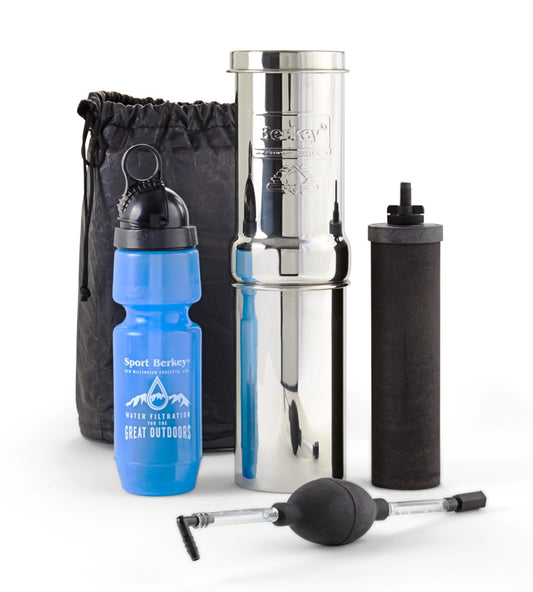
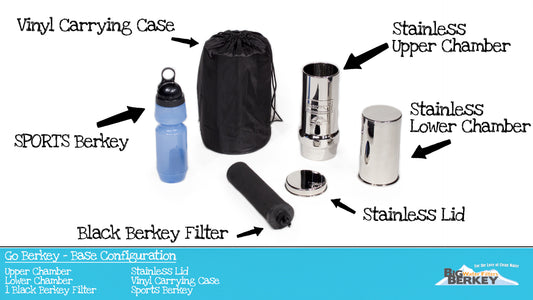
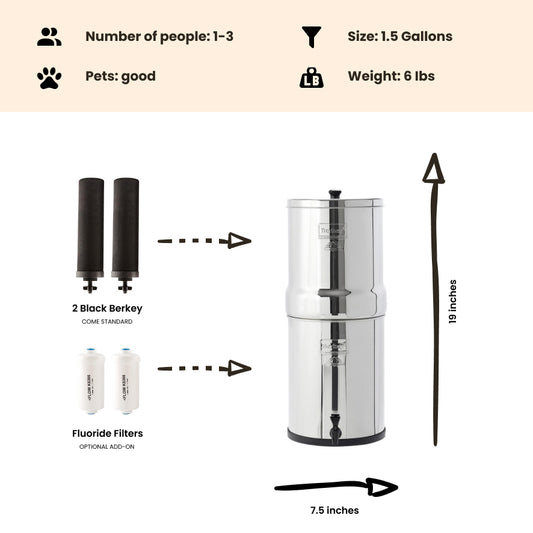
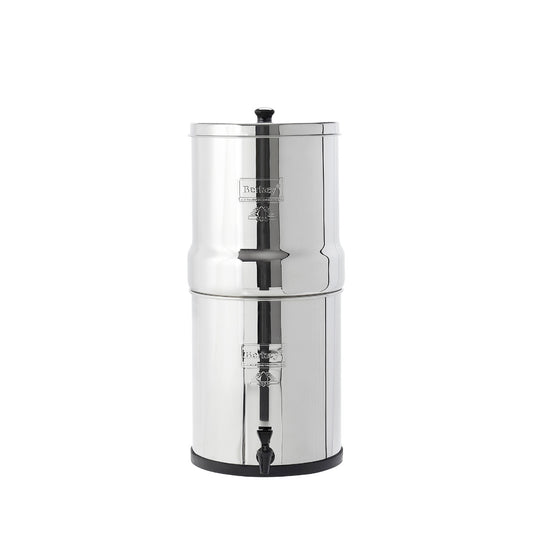
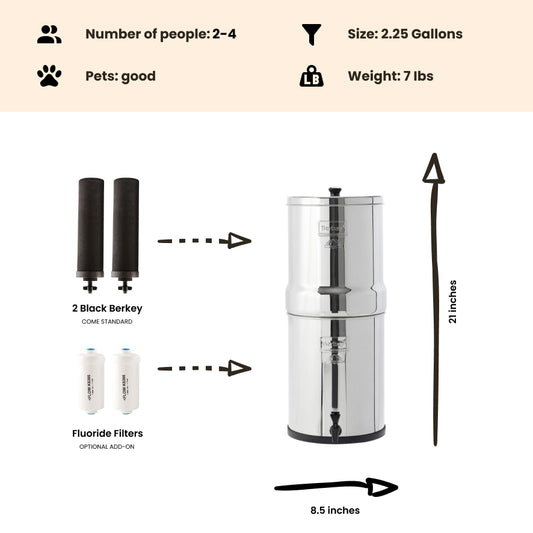
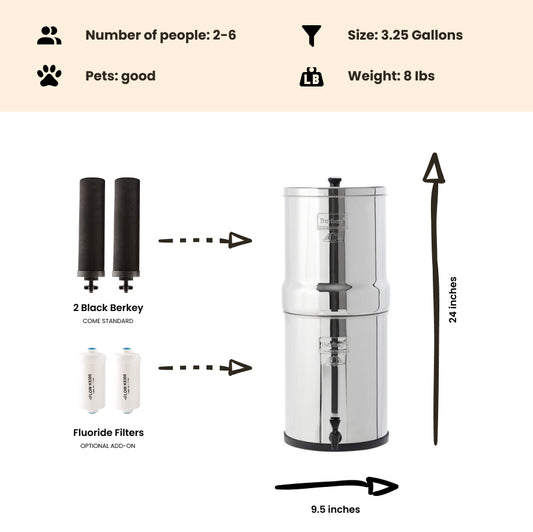
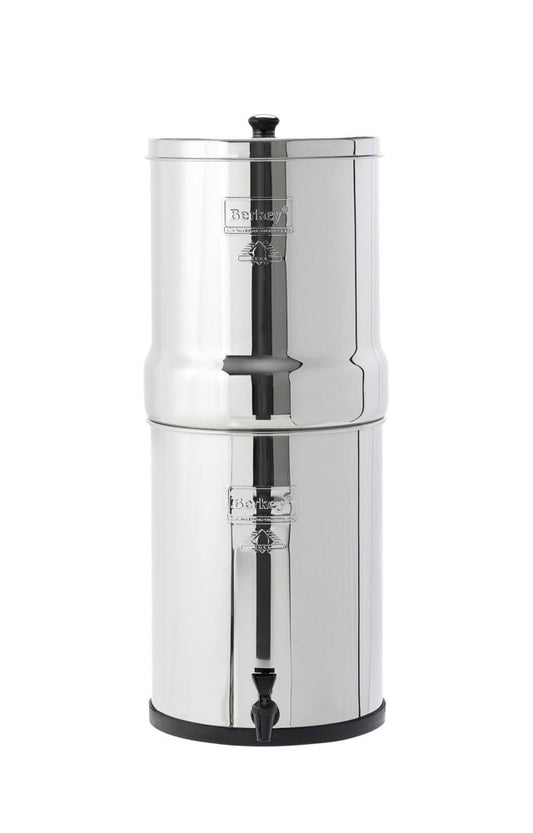
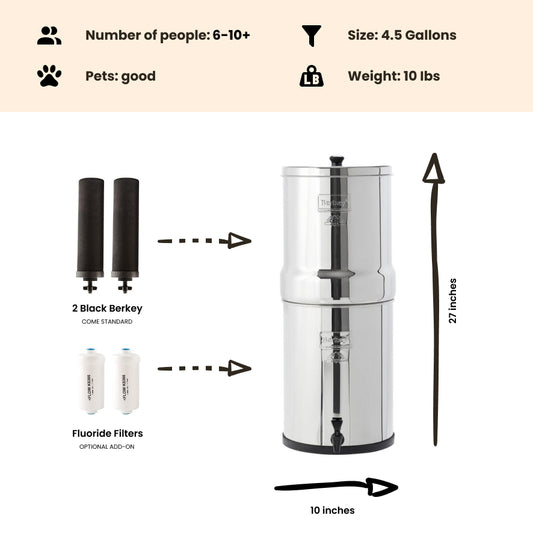
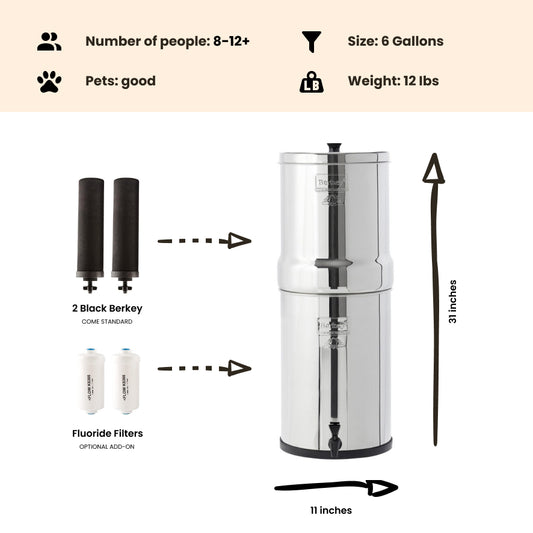
Beyond temperature, overall water quality also plays a role in everyday hydration. Phoenix Gravity New Millennium Edition™ filter elements are engineered to reduce over 200 contaminants—including chlorine, heavy metals, PFAS, and VOCs—while retaining beneficial minerals like calcium and magnesium, making them a practical option for those who want cleaner-tasting, well-balanced drinking water at home.
But temperature isn’t the only factor that people consider when choosing water for reflux relief.
Can Alkaline Water Neutralize Stomach Acid?
Studies on hydrogen carbonate-rich mineral water show that alkaline water buffers gastric acid. Drinking approximately 1.5 liters of this water per day can reduce the frequency of heartburn episodes.
Beyond the type of water you choose, the way you drink it can also influence your symptoms.
How Should You Drink Water to Avoid Triggers?
How you drink water matters just as much as what you drink. Sip water slowly instead of gulping it, since large, rapid intakes can increase stomach pressure and make reflux more likely.
It’s also helpful to avoid overfilling your stomach and to steer clear of carbonated water, as carbonation increases gastric pressure and may worsen symptoms.
In some cases, lifestyle changes and home remedies aren’t enough—and that’s when it’s important to seek guidance from a medical professional.
When Should You See a Doctor?
According to the Mayo Clinic, you should see a doctor if your symptoms persist more than twice a week, if you experience difficulty swallowing, or if you have unexplained weight loss. Water can help manage symptoms, but it's not a cure for chronic GERD.
The symptoms of heartburn, acid reflux, and GERD can be uncomfortable and extreme. Know your triggers. And remember that simple solutions like drinking a cup of warm water helps flush acids from the esophagus and may help offer relief.
Sources:


 By
Dan DeBaun
By
Dan DeBaun





Im a filipino. Is it good to take gaviscon for acid reflux?
Hi Edward -
We'd recommend you contact you doctor for this sort of advice.
Thanks
Dan
What is ACV please?
Hi Nola -
ACV = apple cider vinegar.
Thanks
Dan
I have been told that drinking while eating makes the stomach swell and gives you gut problems since the digestion is slowed down with too much water in the stomach. So please see with a Dr before writing these infos.
Thank you
So you been told? What Makes what you been told the word of the land? Please research before leaving assinine comments! Thank you!
I had a tried a tablespoon of ACV in warm water. It worked for me.
Hello
I just wanted to add that a low acid level actually causes GERD. The average person over age 40 has a low level ph of hydrochloric acid. When you take apple cider vinegar gummies it eliminates this problem.
Hi there,
A question for your thoughts. I have GERD, Dx 5 yrs ago; was managing it very well until recently. I'm now in the throughs of a bad GERD attack, where would a person find those ACV gummies and would drinking or taking a shot of ACV help ? What would be the mixture for such drink?
BTW, I do know for certain this is a GERD problem and not something else. Just in case you were wondering.
Thank you.