

Only 9 States Prepared for Impact of Climate Change on Water Resources, Are You?
Last updated: September 17, 2026 By
Dan DeBaun
Table of Contents
According to a new report issued by the Natural Resources Defense Council, state governments are woefully unprepared for the ways climate change will affect water resources. While 9 out of 10 states can expect more frequent or more intense storms or flooding, 29 states "nearly 60 percent" have done little or nothing to prepare for this growing threat.
Scientists are already seeing warmer temperatures, changes in rainfall and snowfall patterns, and rising sea levels. NRDC's state-by-state analysis of preparedness plans is both a wake-up call and a roadmap for all communities to understand how vital it is to prepare for climate change so we can effectively safeguard our most valuable resources. "Preparing for the impacts of a changing climate requires that states confront reality, and prioritize climate change adaptation to reduce local water risks and create healthier communities", explains NRDC Water & Climate Program director Steve Fleischli.
Watch Steve Fleischli, Director, NRDC Water & Climate Program, Talk About the Risks of Unpreparedness
NRDC calls out 6 states "Alabama, Indiana, Kansas, North Dakota, Ohio, and South Dakota" for doing virtually nothing to address climate pollution or prepare for growing climate-related water risks. Another 6 states "Arkansas, Iowa, Missouri, Montana, Texas, and Utah" have done so little that they also fall in the groups least prepared category.

Click to enlarge image. See the NRDC website for an interactive version of this map.
What This Means for Your Everyday Water
Most people don't experience climate-related water risk as a single dramatic event. It shows up more quietly: more frequent boil-water advisories, more sediment and runoff reaching treatment plants after heavy storms, and more strain on the aging pipes and treatment infrastructure that most U.S. tap water already relies on. NRDC's report is really a reminder that municipal and well water quality can vary more than people assume, and that variability is only expected to grow.
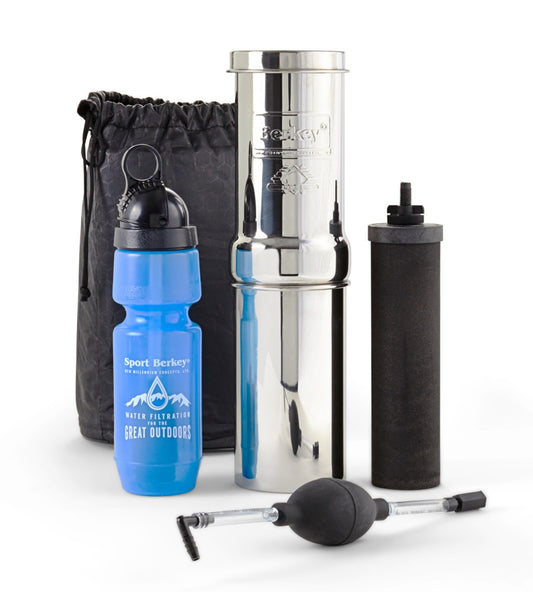
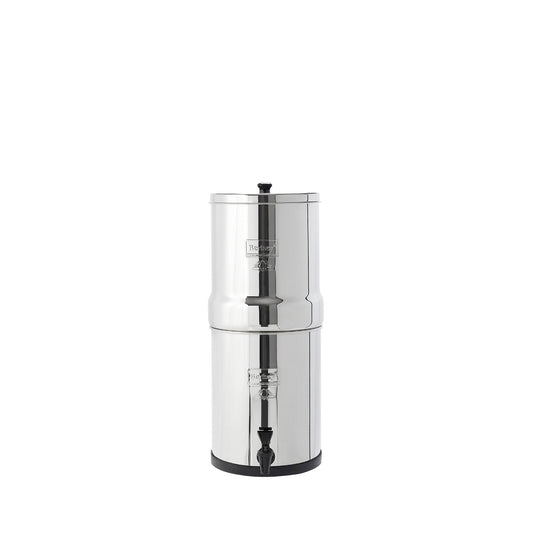
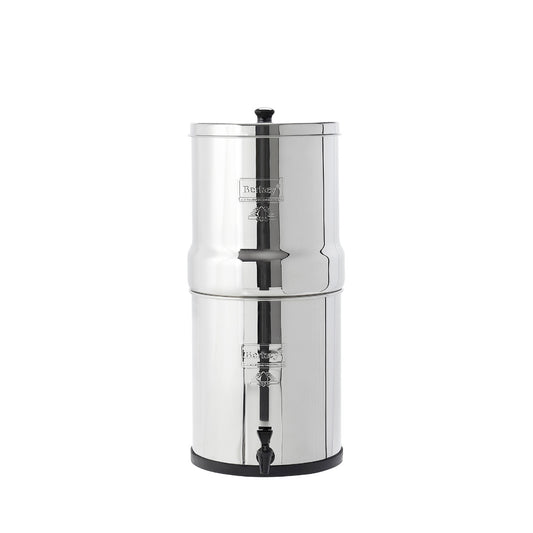
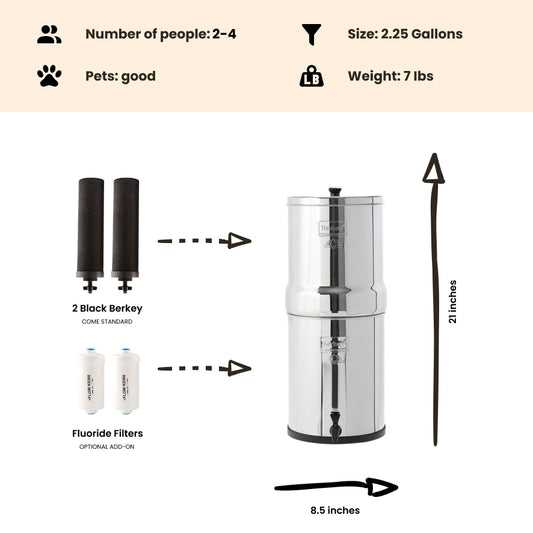
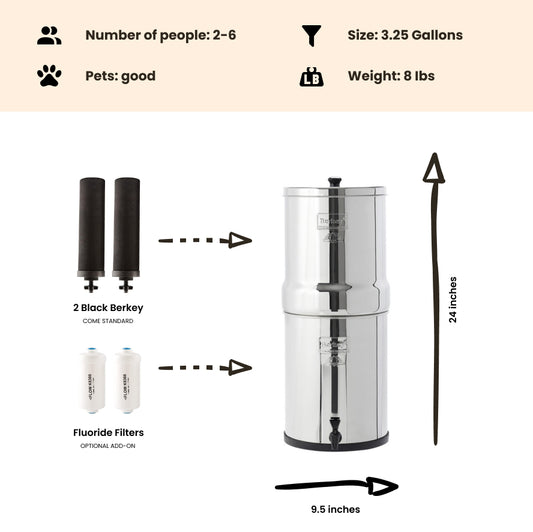
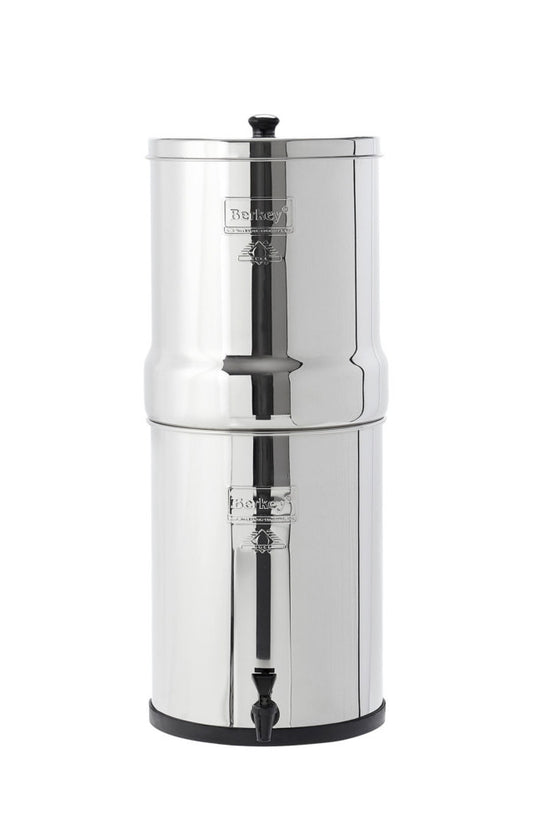
That's the practical reason a home water filter earns its place on the counter for a lot of households, not as emergency gear, but as an everyday safeguard for the tap or well water you're already drinking. A gravity-fed system like a Berkey works on your regular treated water supply without needing electricity or a plumbing hookup, which makes it a low-maintenance way to add an extra layer of filtration as water quality conditions shift over time.
If you're curious what a Berkey system actually reduces from typical tap and well water, our contaminant removal guide breaks it down in detail.

Dan DeBaun
-
-
Regular price $327.00Regular priceUnit price per
-
Our most popular system. Serves 1 to 4 people.
Regular price From $367.00Regular priceUnit price per -
Regular price From $408.00Regular priceUnit price per
-
Regular price From $451.00Regular priceUnit price per
-
Regular price From $478.00Regular priceUnit price per
-
Regular price $332.50Regular priceUnit price per
$350.00Sale price $332.50Sale




There are some great points made there. I did a search on the subject matter and discovered this article really nails the issue well.