Filtered water is tap water that has passed through a treatment system designed to reduce contaminants and improve overall quality. Many households choose filtration to lower exposure to potential pollutants, including certain pathogens that may remain in municipal supplies.
Compared to untreated tap water, filtered water can provide an added layer of consistency and protection, which is why it is often considered a healthier everyday option.
What Is Filtered Water and How Does Filtration Work?
Filtered water is tap or well water that has been treated to significantly reduce specific impurities, such as sediment, bacteria, and chemical byproducts, while often retaining natural minerals. Filtration improves water quality by physically straining or chemically removing unwanted substances.
In simple terms, filtration improves water by removing what you don’t want while keeping what you do.
Most filters work in one of three ways:
-
Physical Filtration: This acts like a sieve. Physical barriers or fine meshes trap particles, sediments, and even microorganisms, preventing them from passing through the filter.
-
Chemical Filtration: Activated carbon is the star here. Through a process called adsorption, the carbon binds to organic compounds, stripping out chemicals like chlorine, pesticides, and unpleasant odors.
-
Biological Filtration: Some advanced systems use ultraviolet (UV) light to disrupt the DNA of bacteria and viruses, killing them without using chemicals.
Filtration technology ranges from portable personal devices to industrial-grade whole-home units. These include simple devices such as water pitchers with built-in filters and gravity-fed counter-top filters, to more complex systems installed on specific taps or at the point of entry into a home.
Because different technologies target different contaminants, the effectiveness of filtration depends on the specific threats present in your water supply, including newer concerns such as PFAS and microplastics.
How Can Filtration Address Emerging Threats Like PFAS and Microplastics?
In 2026, water quality concerns have shifted toward "forever chemicals" (PFAS) and microplastics. These contaminants are showing up more often in water supplies globally. Unfortunately, standard municipal plants often lack the equipment to remove these microscopic threats completely.
Addressing these threats typically requires more advanced filtration technologies. Systems that use high-quality carbon blocks or reverse osmosis membranes are designed to reduce PFAS and capture extremely small particles, including certain microplastics, providing an additional layer of protection beyond standard tap water treatment.
As concerns about these emerging contaminants grow, many people are also asking a broader question: what are the measurable, science-backed benefits of drinking filtered water?
What Are the Science-Backed Benefits of Drinking Filtered Water?
Filtered water improves taste, odor, and overall water quality by reducing or eliminating specific contaminants. Filtration isn't just about health; it makes your water taste better and saves your appliances, too.
To understand these advantages more clearly, let’s look at three specific benefits—health protection, improved taste and smell, and protection for household systems and appliances.
1. Health and Safety: Pathogens and Contaminants
Filtering is key to safe drinking water. Filtration systems, especially those that use microfiltration and ultrafiltration, can effectively remove bacteria, viruses, and other microorganisms from water. This acts as a barrier against waterborne diseases and gastrointestinal illness. Plus, activated carbon filters can adsorb or trap various chemical contaminants like chlorine, pesticides, herbicides, and industrial pollutants.
Heavy metals like lead, mercury, and cadmium can also lurk in your pipes. Filtration methods such as activated carbon and reverse osmosis can help reduce the levels of these metals, which can be harmful to the nervous system and organs. Agencies like the EPA and WHO warn against these toxins.
2. Aesthetic Improvement: Taste and Odor
Filtration can improve the taste and odor of water by getting rid of chemicals like chlorine that contribute to unpleasant flavors or smells. Clear, odor-free water is simply more inviting, making it easier to stay hydrated throughout the day without effort.
3. Practicality: Protect Plumbing and Appliances
Filtration can prevent sediment and mineral deposits from clogging up plumbing and household appliances, such as water heaters and coffee makers. This makes them last longer and keeps them running smoothly.
For example, Phoenix Gravity New Millennium Edition™ filter elements are engineered to reduce over 200 contaminants, including heavy metals, PFAS, chlorine, VOCs, pesticides, and pharmaceuticals. They are certified to NSF/ANSI 42 (aesthetic reduction) and NSF/ANSI/CAN 372 (lead compliance) and designed to retain beneficial minerals such as calcium and magnesium.
For additional fluoride reduction capability, the Phoenix Filter Elements + PF-2 fluoride combo provides expanded protection within the same compatible gravity-fed system.
What Are the Best Household Uses for Filtered Water Beyond Drinking?
Filtered water isn't just for your glass; it's great for cooking and other household purposes, such as watering plants and topping up your pets' water bowls. Filtered water is also an excellent choice for drinks where flavor counts, such as when making tea or coffee, or brewing beer.
Given its versatility in everyday use, from the kitchen to pet care, it’s also helpful to understand how filtered water compares to other common options, including purified, distilled, and standard tap water.
How Does Filtered Water Compare to Purified, Distilled, and Tap Water?
You need to know the difference between filtered water and other purification methods to pick the right one. While filtered water is generally best for daily hydration because it often retains minerals, other types serve different purposes.
|
Type
|
Process Summary
|
Minerals Retained?
|
Best For
|
|
Filtered
|
Physical/chemical/biological barriers.
|
Usually yes
|
Daily drinking, taste/health
|
|
Purified
|
Advanced (e.g., distillation, deionization).
|
No
|
High purity needs
|
|
Distilled
|
Boil to steam, condense to remove non-volatiles.
|
No (pure H₂O)
|
Labs, appliances (not daily drink)
|
|
Tap
|
Municipal treatment (varies).
|
Varies
|
Convenient, but may have impurities
|
In short, the right choice depends on what you expect from your water. If you want a balance between improved taste, everyday health protection, and retained minerals, filtered water is often the most practical solution for daily use—while purified and distilled options serve more specialized needs. Understanding these differences helps you see not just what filtered water is, but how it fits into your everyday life compared to other water types.
Once you know how filtered water compares to other options, the next step is choosing the right filtration system.
How Do You Choose the Right Water Filter System for Your Household?
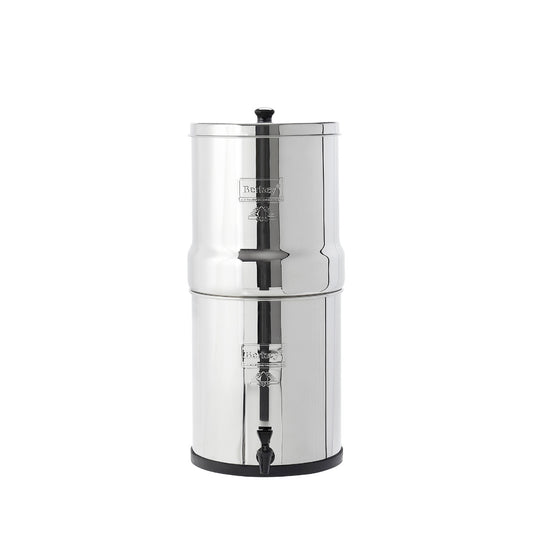
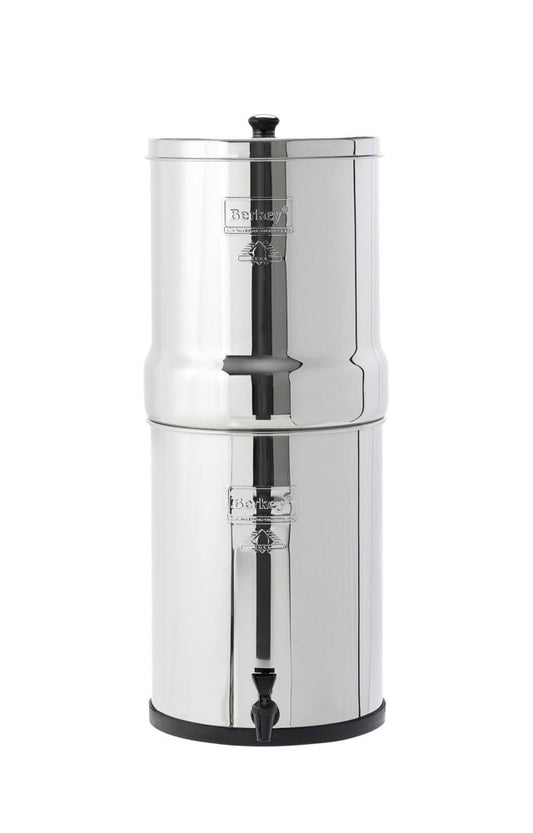
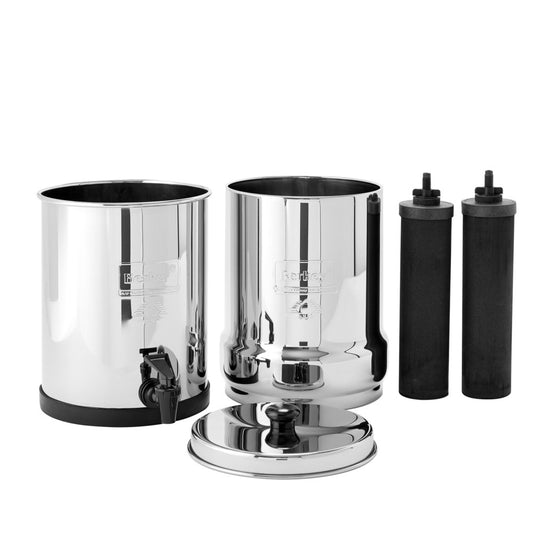
One of the simplest and most efficient methods of filtering water at home is using a gravity-fed countertop filter. These home water treatment systems are affordable, portable, don't need to be plumbed in, and don't require a power source to operate. Berkey gravity-fed filtration systems come in a range of sizes, allowing you to choose one within your budget that best meets your family's needs.
The Berkey range of home filters includes:
-
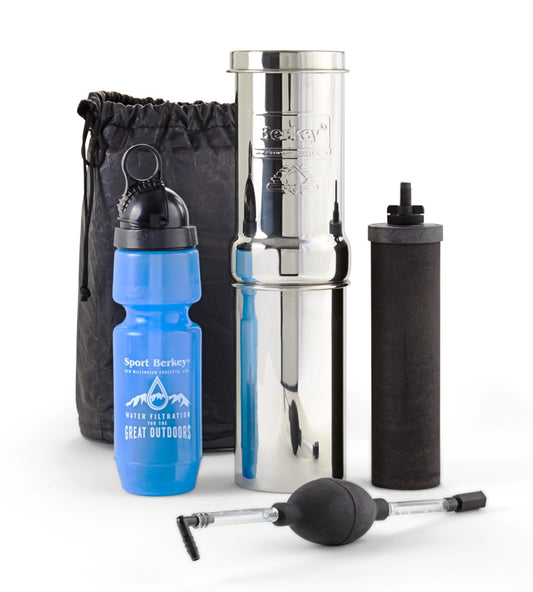
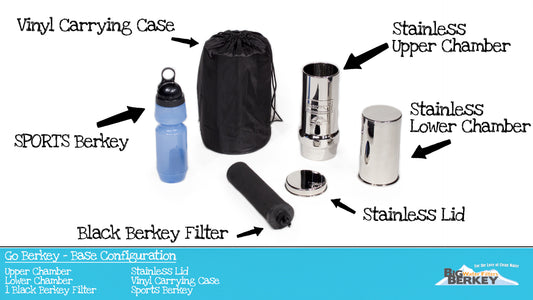
GoBerkey Kit — A small, ultra-portable 1 quart (.95 liter) unit designed for those on the go
-
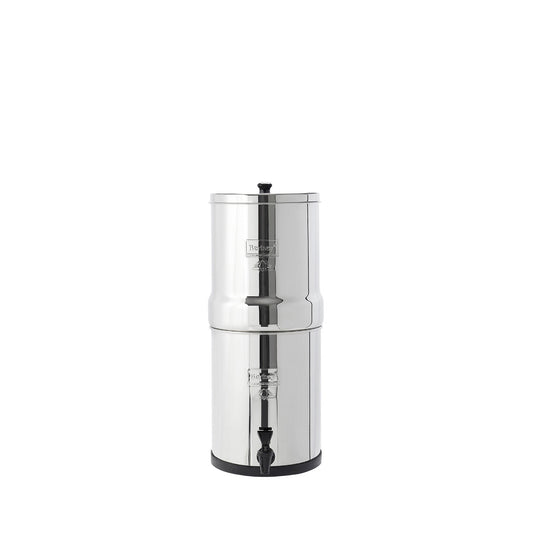
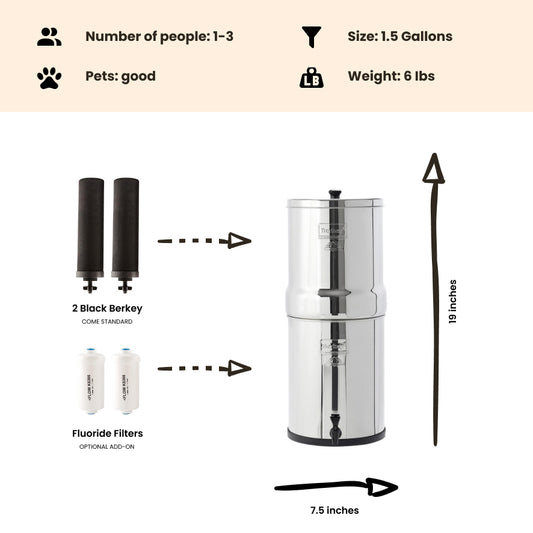
Travel Berkey— This 1.5 gallon (5.7 liter) compact model is perfect for 1-3 people, making it a top choice for couples or small apartments.
-
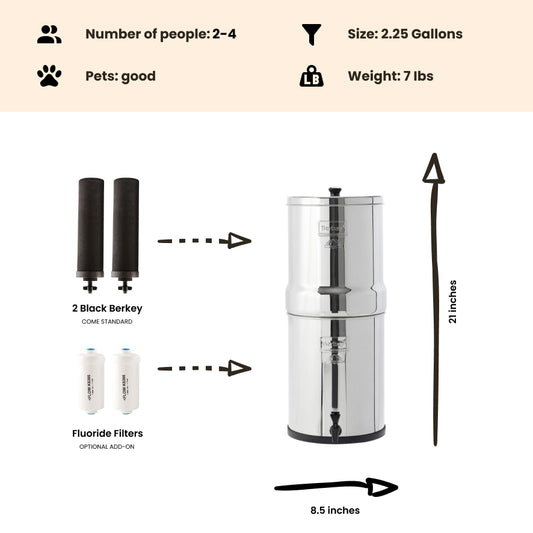
Big Berkey — With a 2.25 gallon (12.3 liter) capacity, this filter fits the needs of a family of 1-4 people
-
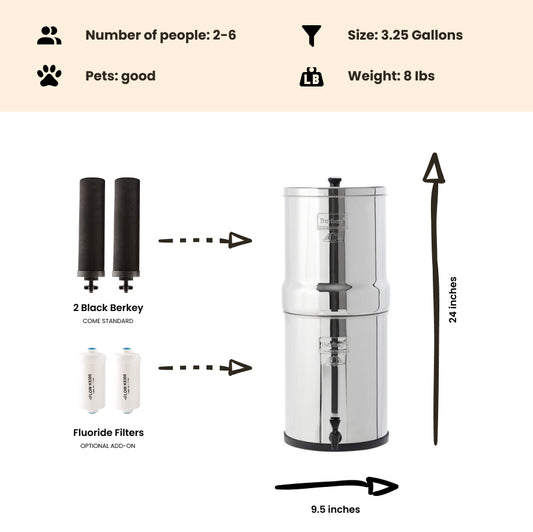
Royal Berkey — Ideally suited for 2-6 people, this system holds 3.25 gallons (12.3 liters)
-
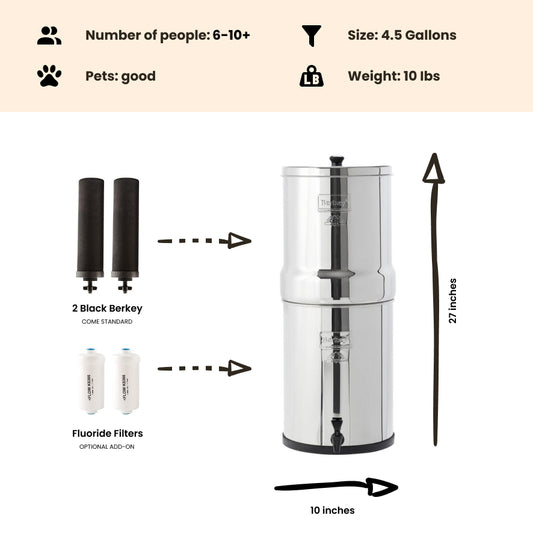
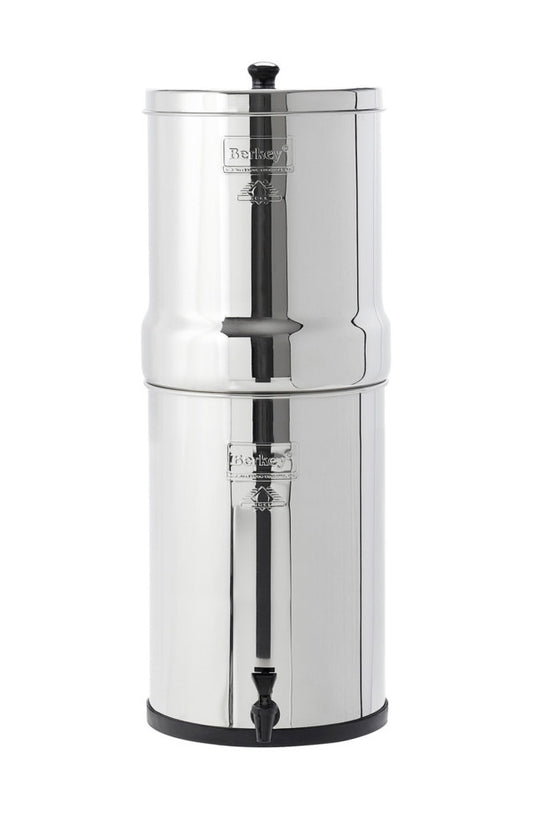
Imperial Berkey — Built for 3-8+ people, this 4.5 gallon (17 liter) powerhouse is ideal for large families, offices, or emergency prep.
-
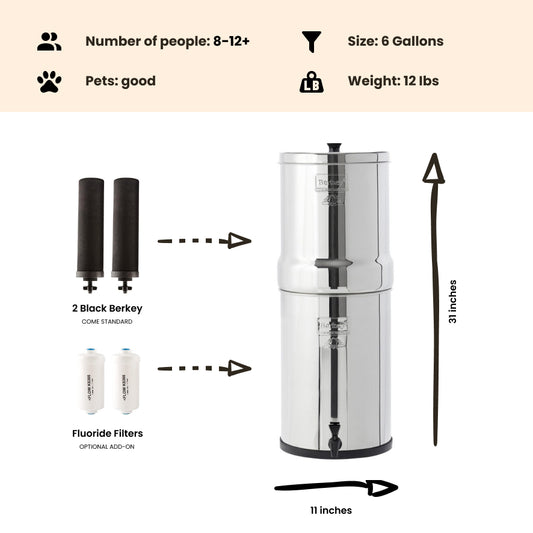
Crown Berkey — The largest option at 6 gallons (22.7 liters), designed to serve 4-12+ people in large families, offices, or emergency scenarios.
Beyond capacity and convenience, many households also consider a broader question: how does their choice of filtration system affect the environment over time?
What Is the Environmental Impact of Different Water Filtration Systems?
When evaluating water filtration, don't forget to look at the environmental cost and potential disadvantages of different systems. The impact largely depends on the specific method used.
-
Energy and Water Efficiency: Some filtration systems, such as those using reverse osmosis or distillation, can be energy-intensive and waste a lot of water. Reverse osmosis systems, in particular, create salty wastewater as a byproduct, which needs proper disposal. In contrast, gravity-fed filters don't require energy to operate and don't create wastewater, resulting in a much lower environmental footprint.
-
Waste Generation and Longevity: The use of disposable filter cartridges in certain systems creates unnecessary waste. However, systems like the Berkey use replaceable filters that are cleanable and reusable. A pair of Phoenix Gravity New Millennium Edition™ filter elements is rated for up to 5,500 gallons, offering long-lasting performance and reducing reliance on disposable plastic bottles and short-life filter cartridges.
-
Mineral Retention: Some methods, such as reverse osmosis and distillation, can remove beneficial minerals from water along with contaminants. Other methods such as activated carbon filtration remove harmful contaminants while leaving the beneficial minerals in the water, maintaining the water's nutritional value.
-
Microbial Control: In filters that retain water for an extended period, there is a risk of microbial growth.
-
Cost and Portability: Advanced technologies like UV or RO can be expensive and difficult to move. Gravity-fed systems offer a balance of high-quality filtration with the flexibility of portability, which is essential for travel or emergency situations.
To minimize environmental impact, opt for long-lasting, gravity-fed systems to reduce plastic waste, and ensure you recycle or dispose of used elements according to local regulations.
Choose the Right Water Filter for Your Needs
From understanding how filtration works to comparing it with distilled, purified, and tap water—and even weighing environmental impact—you now have a clearer picture of what filtered water offers and where it fits in your household. The right system ultimately depends on your priorities: contaminant reduction, mineral retention, portability, cost efficiency, or sustainability.
Choose a filtration system that aligns with your water quality concerns, household size, and long-term goals—so you can enjoy cleaner water with confidence.
What Are the Most Common Questions About Filtered Water?
1. What is filtered water, and how is it made?
Filtered water is water that has undergone a filtration process during which bacteria, chemicals, and heavy metals have been filtered out.
2. Should I drink filtered water?
Filtered water is safe and healthy to drink, but it is best to opt for water that still retains essential minerals like calcium and magnesium.
3. How do you make filtered water at home?
You can filter water at home using gravity-fed countertop units, pitcher filters, or under-sink systems that connect directly to your plumbing. Simply fill the reservoir or turn on the tap, and the system forces water through media like activated carbon to trap contaminants. While water filters can improve taste and remove certain contaminants, they may not eliminate all impurities. Different filters handle different threats, so be sure to choose one that meets your water quality needs.
Sources: