Tap water in the United States is generally safe for mixing baby formula, but three chemical contaminants deserve specific attention before infant use: lead, fluoride, and nitrate. The EPA's lead action level for public water systems is dropping from 15 parts per billion to 10 parts per billion under the Lead and Copper Rule Improvements finalized in October 2024, with full compliance required by 2027, a change driven specifically by lead's outsized health risk to infants and young children. This guide breaks down what each contaminant means for formula-fed babies, what the current federal limits actually are, and what a home water filter can and cannot do about each one.
What Contaminants in Tap Water Matter Most for Baby Formula?
Three contaminants matter most for infant formula water: lead, fluoride, and nitrate, each regulated separately by the EPA and each affecting infants differently than adults. Babies drink far more water relative to body weight than adults do, and formula is often their sole source of fluid for months, which is why federal guidance treats infant water exposure more conservatively than general drinking water standards.
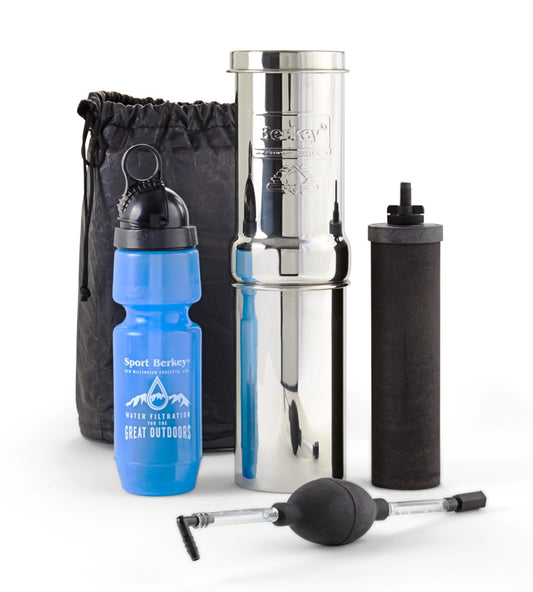
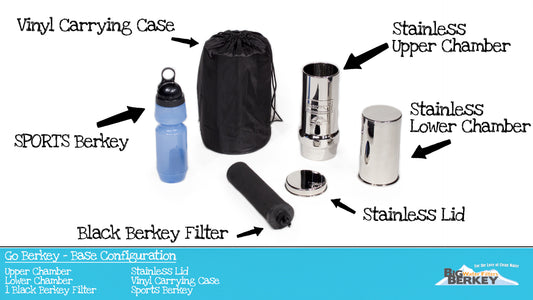
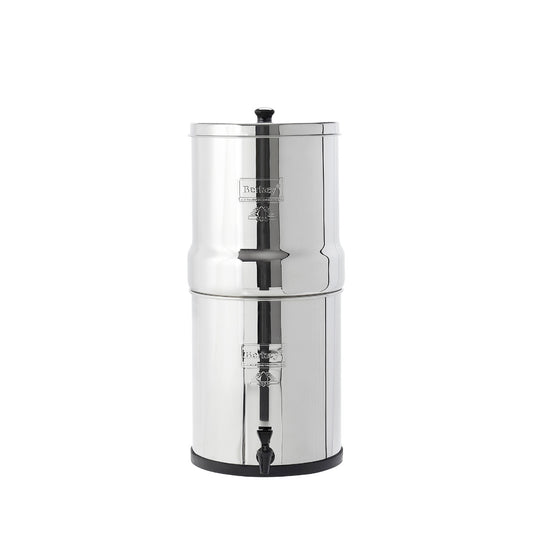
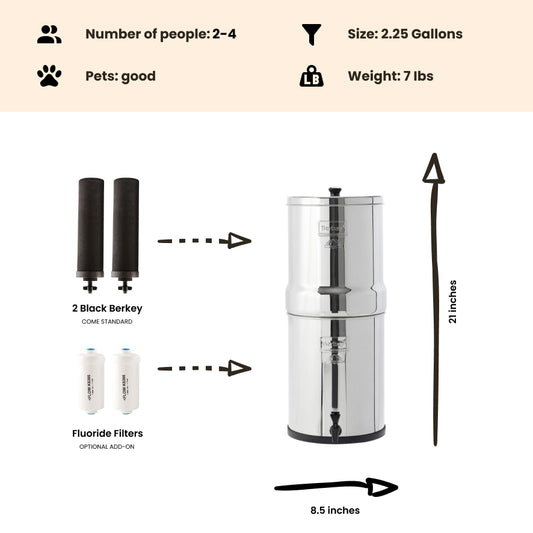
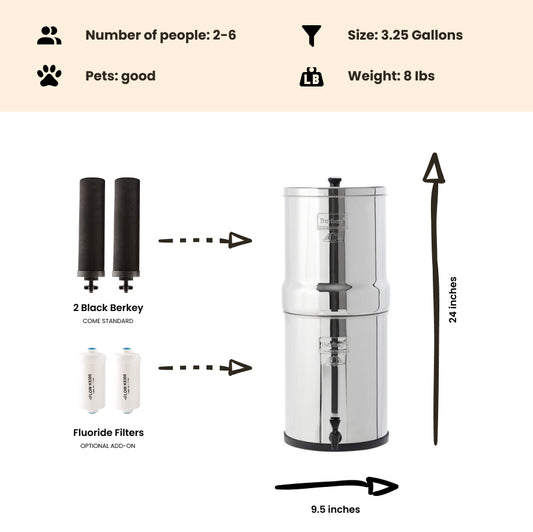
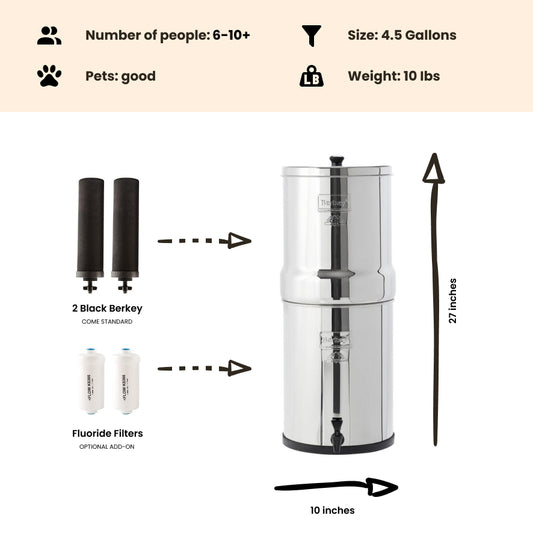
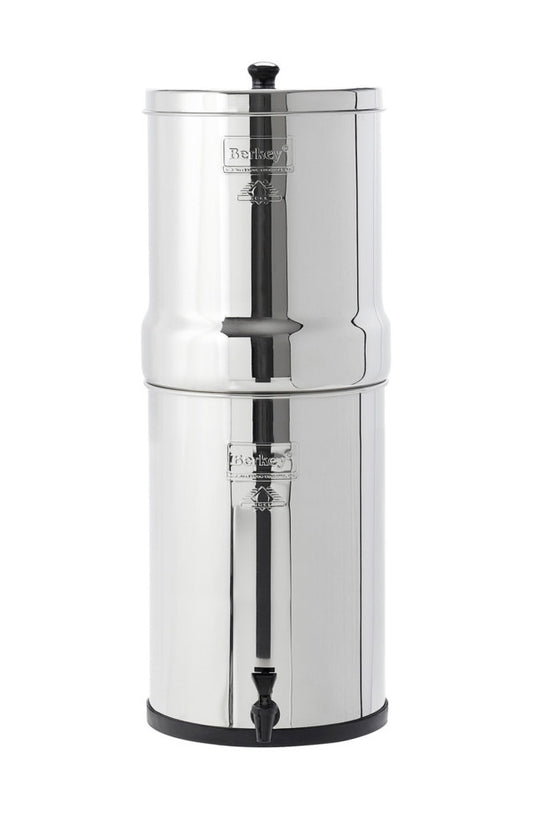
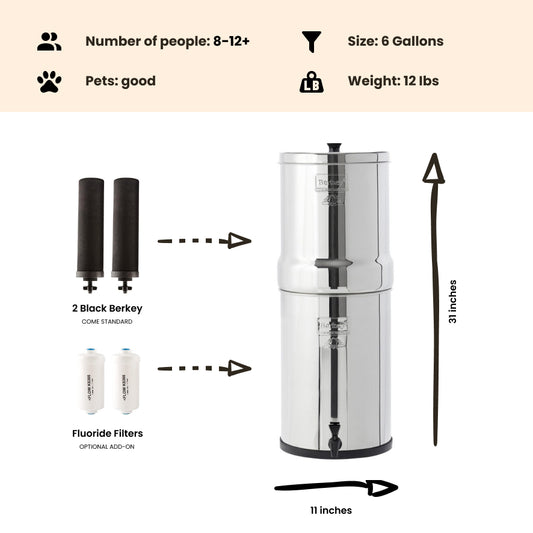
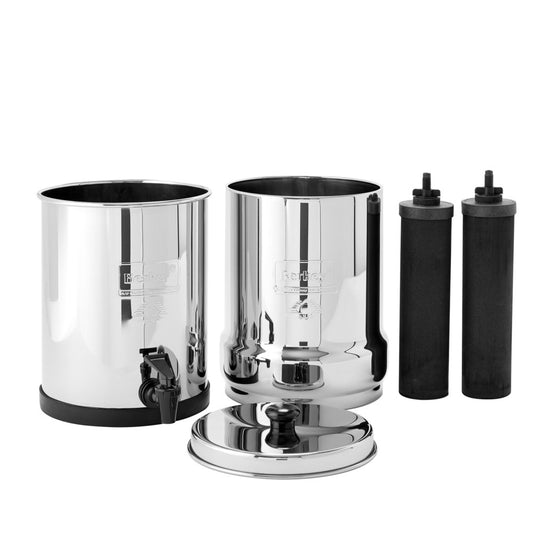
Black Berkey elements ship standard with new Berkey systems, and are tested to NSF/ANSI protocols by independent labs without carrying full NSF certification. Phoenix filter elements are the current authorized standalone replacement and carry formal NSF/ANSI 42 and 372 certification, a distinction worth knowing for parents who weigh certification status specifically when choosing infant water treatment.
Is Lead in Tap Water Dangerous for Babies?
Yes. The CDC and American Academy of Pediatrics both state there is no known safe level of lead exposure for infants and children, which is why the EPA is tightening its lead action level from 15 ppb to 10 ppb under the Lead and Copper Rule Improvements finalized in October 2024. Lead most commonly enters tap water from old service lines, pipes, or solder rather than from the water source itself, so risk varies by home and neighborhood rather than by city.
Independent testing by Envirotek Laboratories (EPA Lab ID NJ01298) found Black Berkey filter elements reduced a lead challenge of 949 to 1,010 micrograms per liter to below 0.5 micrograms per liter through the first 150 gallons of the 200-gallon test, a reduction of at least 99.0 percent that met current EPA drinking water requirements for the full duration of the test. Separately, CVR Labs tested current Phoenix filter elements in March 2025 and documented a 100 percent lead removal rate down to the detection limit of 0.001 mg/L, alongside the same result for arsenic, cadmium, chromium, nickel, and selenium. Full lab reports for both element lines are available on the test results page and the Phoenix lab results page.
Does Fluoride in Tap Water Affect Babies?
Fluoride at the EPA's maximum contaminant level of 4.0 mg/L is not considered dangerous, but the American Academy of Pediatrics and American Dental Association note that regularly mixing powdered or concentrated formula with fluoridated water, especially before a baby's teeth erupt, can mildly increase the risk of dental fluorosis, a cosmetic change in tooth enamel rather than a health-threatening one. Parents who want to reduce fluoride exposure during the formula-feeding window can use low-fluoride bottled water occasionally or filter it out at home.
Fluoride is also an active regulatory topic right now. The EPA announced in April 2025 that it would expedite its review of fluoride health science, released a Preliminary Assessment Plan for public comment in January 2026, and published its formal Fluoride Human Health Toxicity Assessment protocol in August 2026. None of this changes the current 4.0 mg/L limit, but it is worth knowing the science is under active federal review.
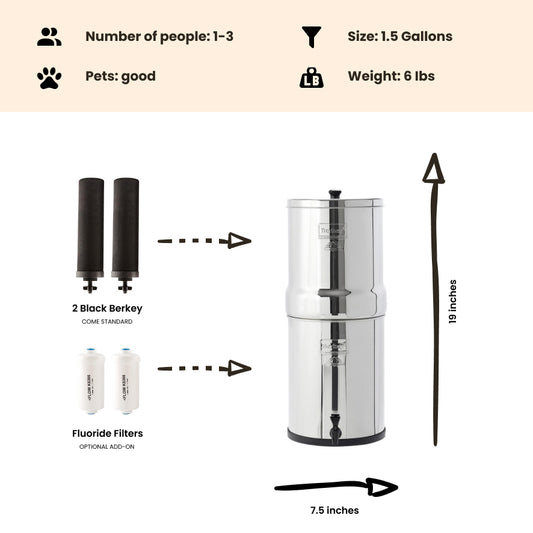
Fluoride reduction differs by element line, and it is worth naming that plainly rather than leading with the best number. Black Berkey elements were documented at a 99.9 percent fluoride reduction in a 2014 Envirotek Laboratories test (Report #14-260). Current Phoenix filter elements, tested by Atom Testing Laboratory in April 2026, reduced fluoride by 75.5 percent in that test. Berkey's PF-2 fluoride and arsenic filter elements are a separate add-on, installed alongside Black Berkey elements rather than sold as a standalone replacement, built specifically for households that want fluoride reduction beyond what either standard element provides on its own. Per the PF-2 product page, typical testing on a 20 to 30 ppm fluoride challenge produced effluent under 1 ppm, a 95 percent or greater reduction, with effluent under 50 ppb achieved under optimum conditions, over 99.75 percent. That's manufacturer-published testing data rather than an independently dated lab report like the Envirotek and Atom Testing Laboratory figures above, worth knowing if a reader is comparing sourcing rigor across products. Confirm current element specifications on the test results page before relying on a specific figure for a particular product.
What Is Blue Baby Syndrome, and Should I Worry About Nitrate?
Blue baby syndrome, or methemoglobinemia, is a rare but serious condition that can occur when infants under six months old consume water or formula made with elevated nitrate levels, which reduces the blood's ability to carry oxygen. The EPA's maximum contaminant level for nitrate is 10 mg/L as nitrogen, and private wells, not municipal water systems, are the most common source of nitrate contamination, particularly near agricultural land or septic systems.
Nitrate is more nuanced than a simple yes or no. Phoenix filter elements were tested for nitrate under NSF 53/42 protocol by Atom Testing Laboratory in April 2026 and reduced a 42 microgram per liter nitrate challenge to 0.3 micrograms per liter, a 99.0 percent reduction. That challenge concentration, roughly 0.042 mg/L, is far below the EPA's 10 mg/L nitrate limit and far below the levels typically associated with blue baby syndrome risk in contaminated well water, which often run 15 to 50 mg/L or higher near agricultural land. No lab data on file tests either element line against nitrate at those elevated, health-relevant concentrations, so this result should not be read as proof the filter handles a confirmed elevated-nitrate well. If a well water test comes back with meaningfully elevated nitrate, reverse osmosis, distillation, or ion exchange remain the treatments specifically validated for that situation.
What Should I Do If My Water Utility Issues a Do-Not-Drink or Contamination Advisory?
Follow local public health guidance immediately rather than trying to treat around it. The CDC states that water contaminated with harmful chemicals or toxins cannot be made safe by boiling, disinfecting, or filtering, and recommends using bottled water or ready-to-feed formula until local authorities confirm the water is safe again. A home filter, including Berkey systems, is built for everyday water quality and the specific tested contaminants listed above, not for acute chemical contamination events.
Is Private Well Water Safe for Baby Formula?
Not automatically. Private wells are not regulated or routinely tested by the EPA the way public water systems are, so well water used for infant formula should be tested at least annually for nitrate, arsenic, and other regulated contaminants by a certified lab before it's assumed safe. Many state health departments and agricultural extension offices offer low-cost well water testing specifically because of how common elevated nitrate and arsenic are in private wells near farmland.
What Independent Testing Backs Up These Numbers, and Is Either Element Certified?
Both Black Berkey and Phoenix filter elements have been tested by independent, EPA-registered laboratories against more than 200 contaminants, including the lead, arsenic, fluoride, and disinfection byproduct figures cited above. The two lines differ on formal certification: Phoenix filter elements carry NSF/ANSI 42 and 372 certification, while Black Berkey elements are tested to NSF/ANSI protocols by accredited independent labs without carrying full certification. For parents making a certification-specific decision about infant water treatment, that distinction is worth knowing before choosing between the two. Full lab reports, including lab name, method, and test date, are available for download on the test results page and the Phoenix filter lab results page. Third-party recognition of Berkey's testing depth is documented on the media coverage page.
Frequently Asked Questions
Is tap water safe for mixing baby formula?
Generally yes, most U.S. municipal tap water meets federal safety standards. The specific contaminants worth checking for infant use are lead, fluoride, and nitrate, since each is regulated separately and affects infants differently than adults.
What contaminants in tap water are the biggest concern for babies?
Lead, fluoride, and nitrate are the three with infant-specific guidance from the CDC, EPA, and American Academy of Pediatrics. Lead has no known safe exposure level for children, fluoride is a fluorosis consideration during the formula-feeding window, and nitrate carries a specific risk for infants under six months.
Is lead in tap water dangerous for infants?
Yes. There is no known safe level of lead exposure for children, and the EPA is currently lowering its lead action level from 15 ppb to 10 ppb under rules finalized in 2024, with full compliance required by 2027.
Does fluoride in tap water affect babies?
At the EPA's 4.0 mg/L limit, fluoride is not considered dangerous, but frequently mixing formula with fluoridated water before a baby's teeth erupt can mildly increase the risk of dental fluorosis, a cosmetic effect on tooth enamel.
Can a water filter remove nitrate from tap water?
Phoenix filter elements were tested at a 99.0 percent nitrate reduction rate, but that test used a challenge concentration far below the EPA's 10 mg/L limit and below the levels that actually cause blue baby syndrome. For a well water test showing meaningfully elevated nitrate, reverse osmosis, distillation, or ion exchange are the treatments specifically validated for that concentration range.
Does Black Berkey filtration reduce lead in tap water?
Yes. Independent testing by Envirotek Laboratories documented at least a 99.0 percent lead reduction across a 200-gallon test, meeting current EPA drinking water requirements. Phoenix filter elements were separately tested by CVR Labs at 100 percent lead removal to the detection limit.
What's the difference between Black Berkey and Phoenix filter elements for a baby's water?
Both are tested against 200+ contaminants including lead, arsenic, and fluoride, but Phoenix filter elements carry formal NSF/ANSI 42 and 372 certification and are the current authorized standalone replacement element. Black Berkey elements ship standard with new systems and are tested to NSF/ANSI protocols without full certification.
What should I do if my water utility issues a contamination advisory?
Follow local public health guidance directly. The CDC states that chemically contaminated water cannot be made safe by boiling, disinfecting, or filtering, and recommends bottled water or ready-to-feed formula until officials confirm the water is safe again.
Is well water safe for baby formula?
Not automatically. Private wells aren't regulated like municipal systems, so well water used for formula should be tested at least annually for nitrate, arsenic, and other contaminants before it's assumed safe.
How can I find out what's actually in my tap water before using it for formula?
Municipal customers can request their utility's Consumer Confidence Report, published annually and required by the EPA. Well water owners should get an independent lab test, since no utility report covers a private well.
Written by Dan DeBaun, founder of Big Berkey Water Filters. Dan holds an engineering degree and an MBA from Rutgers and has worked with independent laboratories on Berkey contaminant testing for over a decade. More about Dan.


 By
Dan DeBaun
By
Dan DeBaun