We all hear that filtering water is good for you... In fact, half of the people surveyed feel their tap water is unsafe to drink. But why, exactly?
While tap water is treated, it isn't always free of impurities. Here is why adding a filter is the smartest upgrade you can make for your home.
Why is it Important to Filter Water?
Clean, safe drinking water is the foundation of a healthy lifestyle, and we consider it a basic human right.
However, tap water often contains a mix of invisible contaminants and lingering pollutants that can affect your long-term health. Even treated drinking water can contain harmful pollutants that can lead to health consequences after long-term exposure. Filtering gets rid of these contaminants, making your water much healthier.
When we talk about filtered water, we simply mean water that has passed through a system to catch impurities, contaminants, and other unwanted stuff.
Here are seven key reasons why we recommend filtering your water:
1. Eliminates Pathogens, Heavy Metals, and Toxic Contaminants
Pathogenic microorganisms such as bacteria, viruses, parasites, and protozoa (including Giardia and Cryptosporidium) can find their way into water sources. These organisms are linked to waterborne illnesses such as cholera, typhoid fever, dysentery, and E. coli infections.
In addition, water may contain harmful substances like heavy metals (lead, mercury, and arsenic) and certain industrial or agricultural chemicals. Lead, for instance, can leach into drinking water from aging pipes and plumbing systems.
Proper filtration systems are designed to significantly reduce or remove many of these contaminants, lowering the risk of both short-term infections and potential long-term health effects, such as organ damage associated with prolonged exposure to heavy metals.
2. Removes Emerging Threats: PFAS and Microplastics
Modern water systems struggle with "forever chemicals" (PFAS) and microplastics originating from degrading plastic waste. Standard municipal treatment doesn't always effectively remove these contaminants.
Advanced home filtration systems are specifically designed to reduce PFAS and capture microscopic particles such as microplastics, helping to limit everyday exposure through drinking water.
If you're looking for independently certified contaminant reduction in a gravity-fed format, explore the Phoenix Gravity New Millennium Edition™ filter elements, engineered to reduce over 200 contaminants—including PFAS, heavy metals, chlorine, and VOCs. For expanded protection, the Phoenix Filter Elements + PF-2 fluoride combo offers broader contaminant coverage in the same compatible system.
3. Filtering Tap Water Reduces Chlorine and Its Byproducts
Municipal water treatment facilities commonly use chlorine as a disinfectant to kill bacteria and other pathogens in public water supplies.
But chlorine can leave behind byproducts such as trihalomethanes (THMs), which have been associated with certain health risks (including cancer) when exposure is prolonged.
Many home filtration systems are designed to significantly reduce chlorine levels and limit the presence of these byproducts, improving both the safety profile and the taste of your drinking water—without the noticeable “swimming pool” odor.
4. Enhances the Flavor of Food and Brewed Beverages
Filtered water can noticeably improve the taste of brewed beverages such as coffee and tea by allowing their natural aromas and flavors to come through more clearly. It can also benefit cooked foods like pasta, beans, and grains, as well as homemade bread, since chlorine may interfere with yeast activity during baking.
By reducing chlorine, sulfur compounds, and other odor-causing substances, filtration helps ensure that meals and drinks reflect their intended flavor—without unwanted aftertastes.
5. Contaminant-free Water Improves Health & Wellbeing
By reducing potentially harmful contaminants, filtered water may help limit unnecessary exposure to substances that place added stress on the body. While healthy kidneys and the immune system already perform this work naturally, lowering the overall contaminant load can support long-term wellbeing.
Using water with lower chlorine content for bathing may also help minimize skin dryness and irritation for some individuals, and it can be gentler on hair compared to heavily chlorinated water.
Filtered water can also be used for pets and plants. Reducing chlorine and certain chemicals may be beneficial for sensitive animals and for plants that react poorly to treated tap water.
6. Filtering Water Removes Sediments and Particles
Even when tap water looks clear, it may still contain sediments such as sand, dirt, rust, or other fine particles that affect overall water quality. Over time, these particles can contribute to cloudiness, clog fixtures, and gradually wear down plumbing systems and household appliances.
Mechanical filtration systems are designed to trap these visible and microscopic particles, resulting in clearer water for drinking, cooking, and everyday household use.
7. Filtered Water is Cost-Effective and Environmentally Friendly
Relying on bottled water as an alternative to tap water can be expensive and environmentally damaging due to the plastic waste it generates.
Filtering tap water at home is often a more affordable long-term option. It can also reduce household plastic consumption, lowering the environmental impact linked to single-use bottles.
By installing a home water filter, you gain convenient access to cleaner drinking water while saving money and reducing waste.
The benefits of using a water filter are clear, from better taste to protection against pollutants. However, when choosing a home water filtration system, it's essential to pick one that is capable of removing as many toxins as possible.
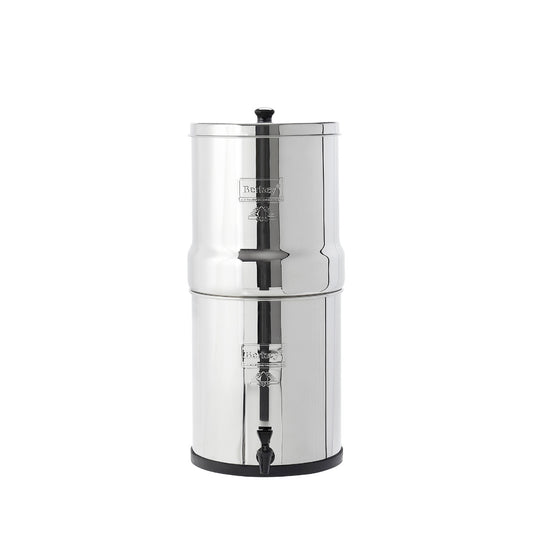
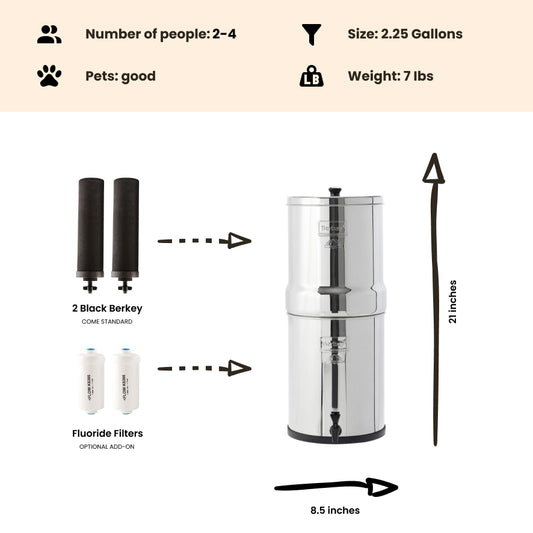
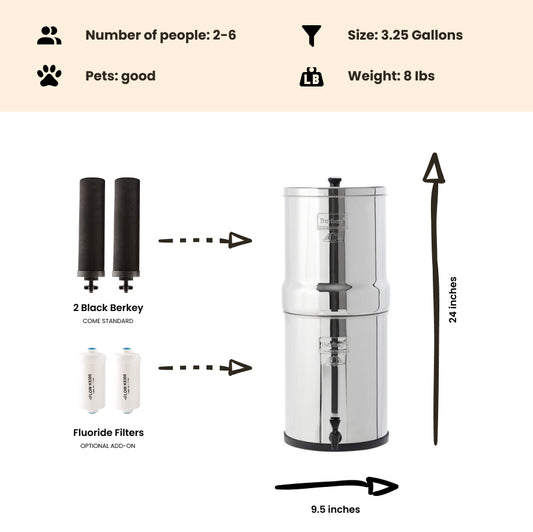
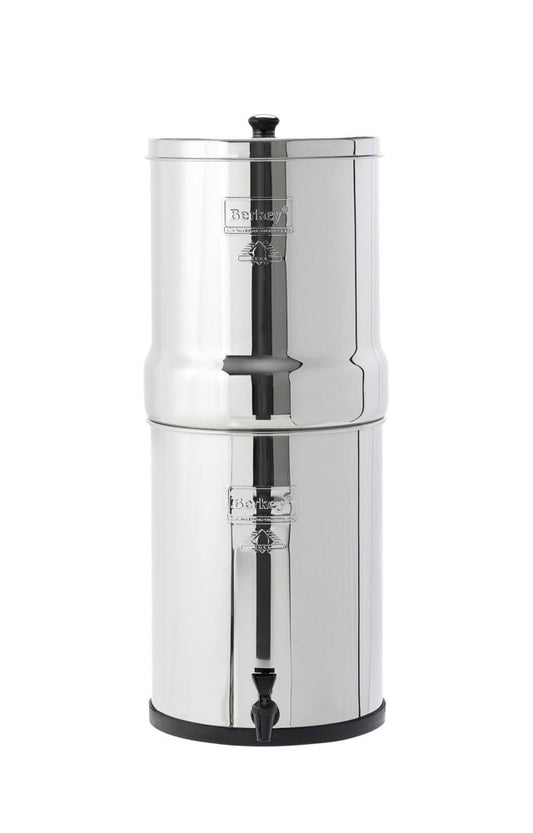
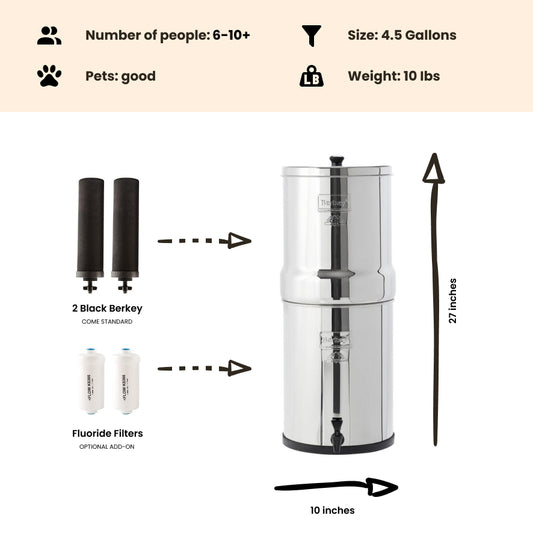
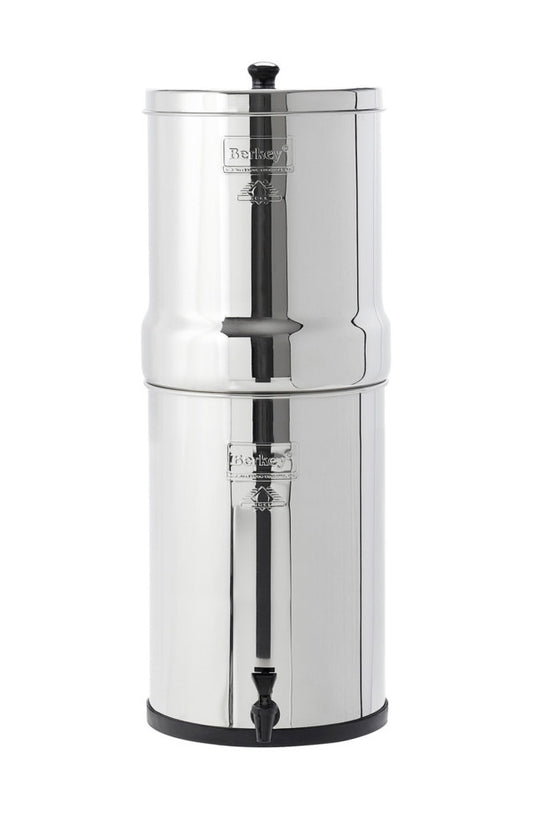
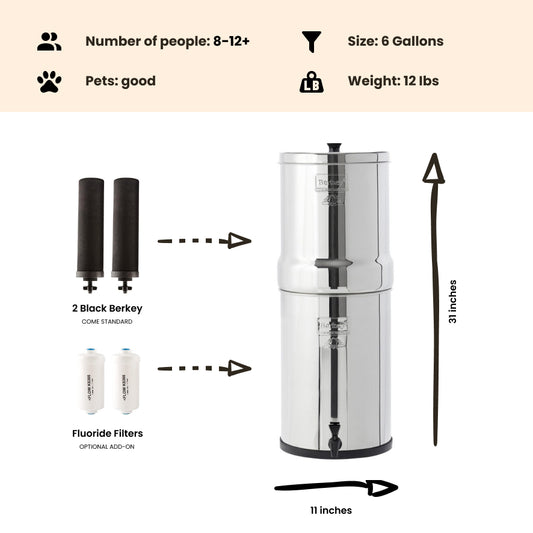
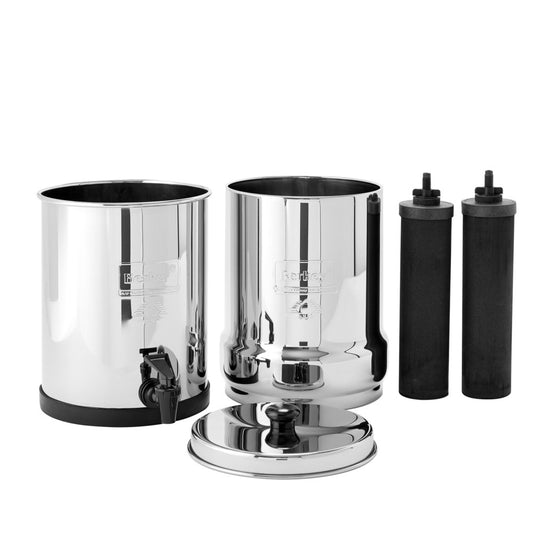
The Berkey range of filters fitted with Berkey Phoenix filter elements can remove over 200 common drinking water contaminants to ensure your water is clean. Testing confirms the removal of 99.9% of lead and pathogenic bacteria.
So choose a Berkey system that works for your home and start protecting your family, saving money, and helping the planet.
Why Do We Filter Drinking Water? – FAQ
1. Why do we need to filter water before drinking?
Tap water can contain a mix of impurities and chemical byproducts that pose a risk to your health. Filtering water before drinking can reduce your exposure to these toxins, keeping you healthy.
2. What is the purpose of the water filter?
These systems are designed to trap impurities and contaminants, transforming tap water into a clean, safe resource for your home.
3. What are the benefits of filtering drinking water?
Filtering drinking water is great because it improves health, safety, and sustainability while saving money. High-quality filters can remove almost all pollutants, including pathogenic viruses and bacteria, without the need to boil water. By ensuring your water is free from unpleasant substances, you can enjoy better-tasting, safer water while contributing to a healthier planet and reducing expenses.
4. Is tap water safe to drink without a filter?
In many developed countries, experts generally consider tap water safe to drink without a filter, thanks to strict regulations and thorough cleaning processes. However, potential concerns about contaminants, aging infrastructure, personal health, and regional environmental factors make filtered water a better choice to ensure long-term good health. Check your local water quality report or get water samples tested.
5. Is it better to drink filtered tap water or bottled water?
Filtered tap water is a better choice because it hurts the environment less, costs less, and is easier. It provides safe, clean water with the added benefit of reducing plastic waste.
Sources: